Mastering Local Map Listings: Guide to Boosting Your Online Visibility
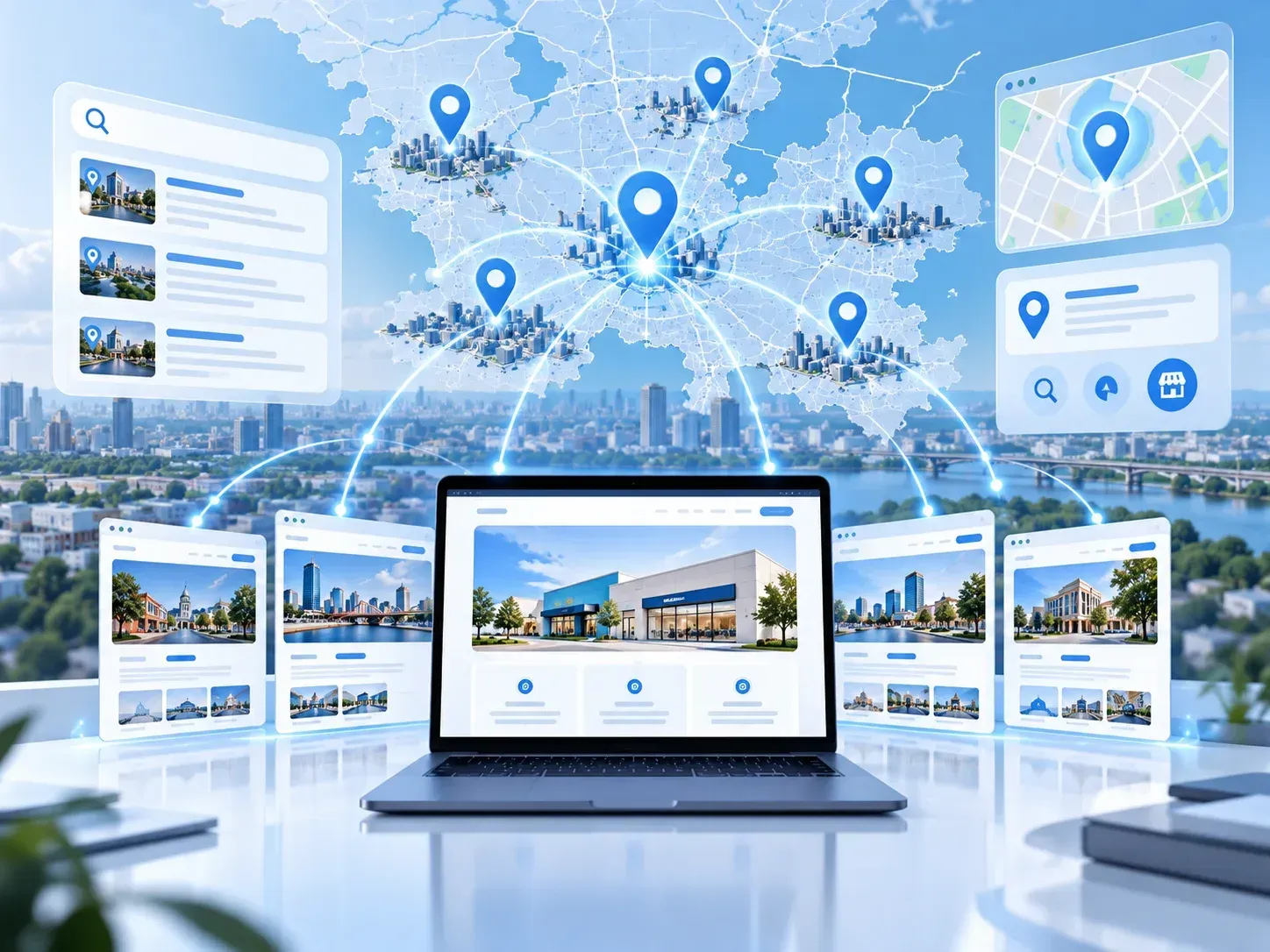
In today's digital landscape, a robust online presence is crucial for businesses seeking to attract local customers and foster growth. Local map listings, available on popular platforms like Google Maps, Apple Maps, and Bing Maps, offer a highly effective avenue to achieve this.
Understanding Local Maps Listings
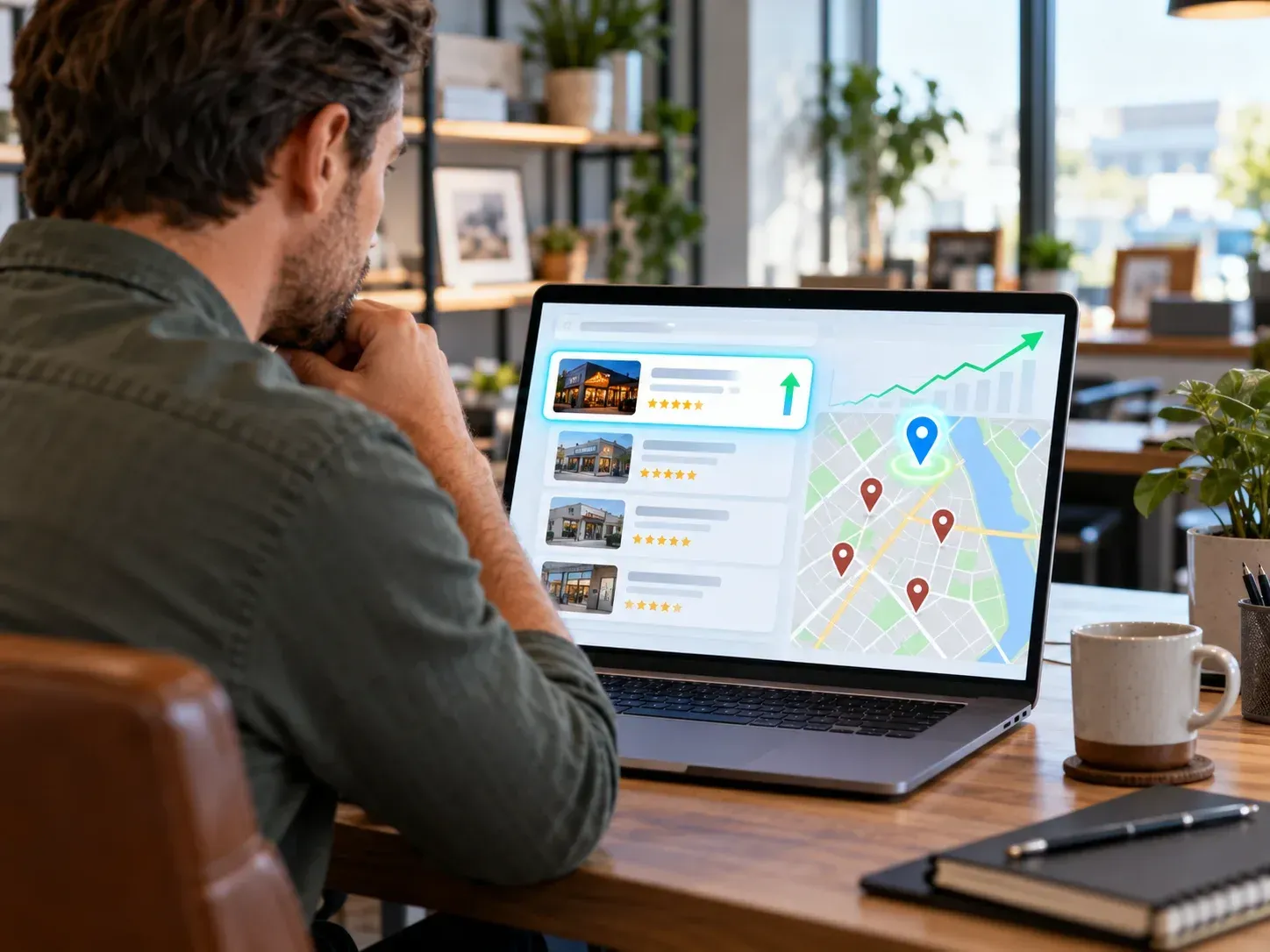
Local map listings are online profiles that provide information about a business, including its name, address, phone number, website, and hours of operation. These listings are displayed on maps and in search results when users search for businesses in a specific location.
By creating and optimizing your local map listings, you can increase your visibility to potential customers and improve your chances of being found by those searching for products or services like yours.
The Benefits of Optimizing Your Local Maps Listings
Optimizing your local map listings can provide numerous benefits for your business, including:
Increased Visibility: By appearing in local search results and on maps, you can reach a wider audience of potential customers actively searching for businesses like yours.
Improved Local SEO: Local map listings can help improve your local search engine optimization (SEO) by providing additional signals to search engines about your business's location and relevance.
Enhanced Credibility: A well-optimized local maps listing can help establish your business as credible and trustworthy, increasing customer trust and loyalty.
Valuable Insights: Many local map listings provide helpful insights into how customers interact with your business, such as the number of views, clicks, and direction requests.
Optimizing Your Local Maps Listings
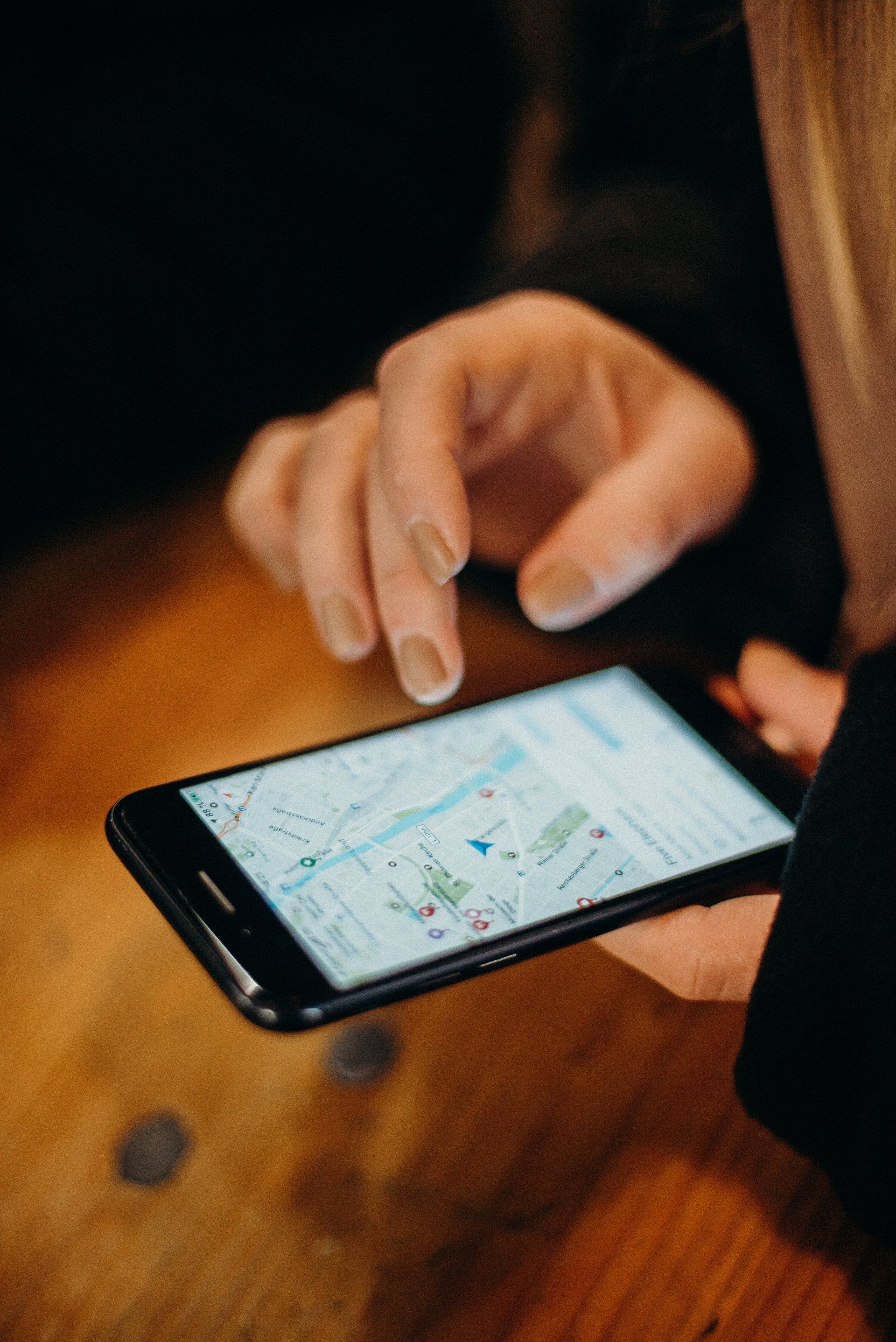
To optimize your local maps listings, follow these key steps:
Claim and Verify Your Listings: The first step is to claim your business on significant maps platforms, such as Google My Business, Apple Maps, and Bing Places for Business. Once you've claimed your listings, you must verify your business by providing additional information or completing a verification process.
Complete Your Listings: Fill out your listings with accurate and detailed information about your business, including your name, address, phone number, website, hours of operation, and a description of your products or services. Use consistent NAP (name, address, phone number) information across your listings.
Add Photos and Videos:
Adding high-quality photos and videos to your listings can help attract more attention and give potential customers a better sense of what your business offers.
Encourage Reviews: Encourage satisfied customers to leave positive reviews on your local map listings. Positive reviews can help improve your business's reputation and increase the likelihood of potential customers choosing your business over competitors.
Monitor and Respond to Reviews:
Monitor your listings regularly for new reviews and respond promptly and professionally to positive and negative reviews. Responding to reviews shows that you value your customers' feedback and are committed to providing excellent service.
Maintaining and Improving Your Local Maps Listings
To maintain and improve your local map listings over time, consider the following strategies:
Update Your Listings Regularly: Keep your listings up-to-date by updating your business information, such as hours of operation, special events, or new products or services.
Analyze Your Insights:
Use the insights provided by your local maps listings to track your performance and identify areas for improvement. Look for trends in your views, clicks, and direction requests to help inform your marketing strategies.
Optimize for Voice Search:
As voice search continues to grow in popularity, optimizing your listings for voice search queries is important. Use natural language and include relevant keywords and phrases that potential customers might use when searching for businesses like yours.
Integrate with Other Marketing Efforts:
Integrate your local map listings with your other marketing efforts, such as your website, social media profiles, and email marketing campaigns. This can help create a consistent brand experience and drive more traffic to your business.
Local map listings are a potent tool for businesses aiming to boost their online visibility and attract more local customers. By understanding the
benefits of optimizing your listings, adhering to best practices for optimization, and consistently maintaining and improving your listings, you can position your business for ongoing success in the local search landscape.
Remember, optimizing your local map listings is a continuous process, so regularly monitor and update your listings to ensure they always provide the best possible experience for your customers. Stay committed to the process and watch your business thrive.
Check out our ways of managing Google Business Profiles, Websites, and help with Google Ads
Ready to work with My Agency Site?
Let's connect! We’re here to help.
Send us a message and we’ll be in touch.
Or give us a call today at 111-222-3333
Agency Contact Form
More Marketing Tips, Tricks & Tools