How Your Website Structure Can Help Search Engines Understand and Rank Your Business
Having a great-looking website is important, but design alone will not help people find your business online. Your website also needs a clear structure that makes sense to visitors and search engines.
Think of your website like a well-organized store. Customers should be able to walk in, quickly find what they need, and understand where to go next. Search engines need that same level of organization.
A strong website structure helps Google understand what your business offers, where you provide your services, and which pages are most important. It can also make your website easier for potential customers to use.
At Impact Layton SEO, we believe web development and SEO should work together. Building the right website structure from the beginning can create a stronger foundation for better rankings, more traffic, and more leads.
What Is Website Structure?
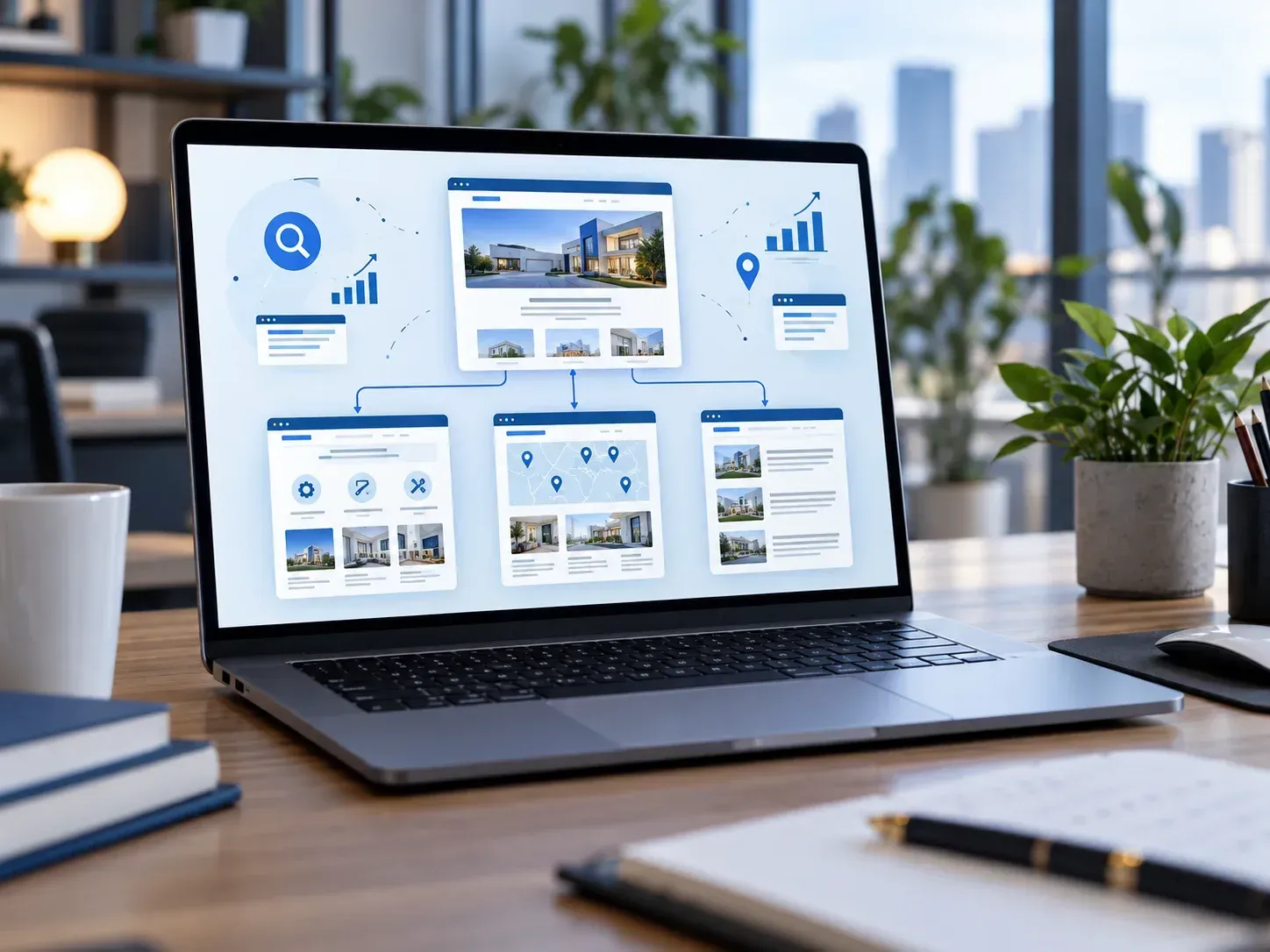
Website structure is simply the way the pages on your site are organized and connected.
For example, a local service business may have a homepage that connects visitors to several main service pages. Those service pages may connect to specific service or location pages. Blog posts can then support those pages by answering common customer questions.
A simple structure might look something like this:
Homepage → Services → Individual Service Pages → Location Pages → Supporting Blog Posts
This setup gives each page a clear purpose.
Imagine a roofing company that offers roof repair, roof replacement, commercial roofing, and gutter installation. Instead of placing every service on one long page, the company could create a separate page for each major service.
That gives search engines more information about what the company does. It also gives potential customers a page that directly matches what they are searching for.
The goal is not to create hundreds of unnecessary pages. The goal is to build a website where every important page has a reason to exist.
Clear Service Pages Help Search Engines Understand Your Business
One common website mistake is putting too much information on the homepage.
Your homepage should introduce your company, explain your main services, build trust, and guide visitors toward taking action. It does not need to explain every service in detail.
That is where dedicated service pages become valuable.
For example, a digital marketing company could have separate pages for:
- Local SEO
- Website design
- Google Business Profile management
- Google Ads
- Search engine optimization
Each page can focus on one specific service and the questions customers have about it.
This creates clearer signals for search engines.
If someone searches for a website design company, Google can find a page specifically about website design instead of trying to determine whether a small paragraph on the homepage is relevant.
Dedicated pages can also improve the customer experience. Visitors land on a page that directly addresses the problem they are trying to solve.
That can mean fewer distractions and a clearer path toward contacting your business.
Internal Links Create Paths Through Your Website
Your pages should not exist by themselves.
Internal links connect one page of your website to another. These links help visitors explore your site while also helping search engines understand how your content is related.
For example, imagine you publish a blog called “How Local SEO Helps Small Businesses Get More Calls.”
Inside that article, you could naturally link to your Local SEO service page.
You might also have a website design article that links to your web development service page.
These connections create pathways through your website.
A good internal linking strategy can help:
- Guide visitors toward important service pages
- Connect related topics
- Help search engines discover pages
- Show relationships between your content
- Make your website easier to navigate
- Move potential customers closer to contacting you
Internal links should always make sense. Adding dozens of random links just for SEO can make a page harder to read.
Think about what would actually help the visitor next.
If they are reading about improving local rankings, linking them to your Local SEO service makes sense. If they are learning about slow websites, linking them to your web development service may be useful.
Good SEO and good user experience often work toward the same goal.
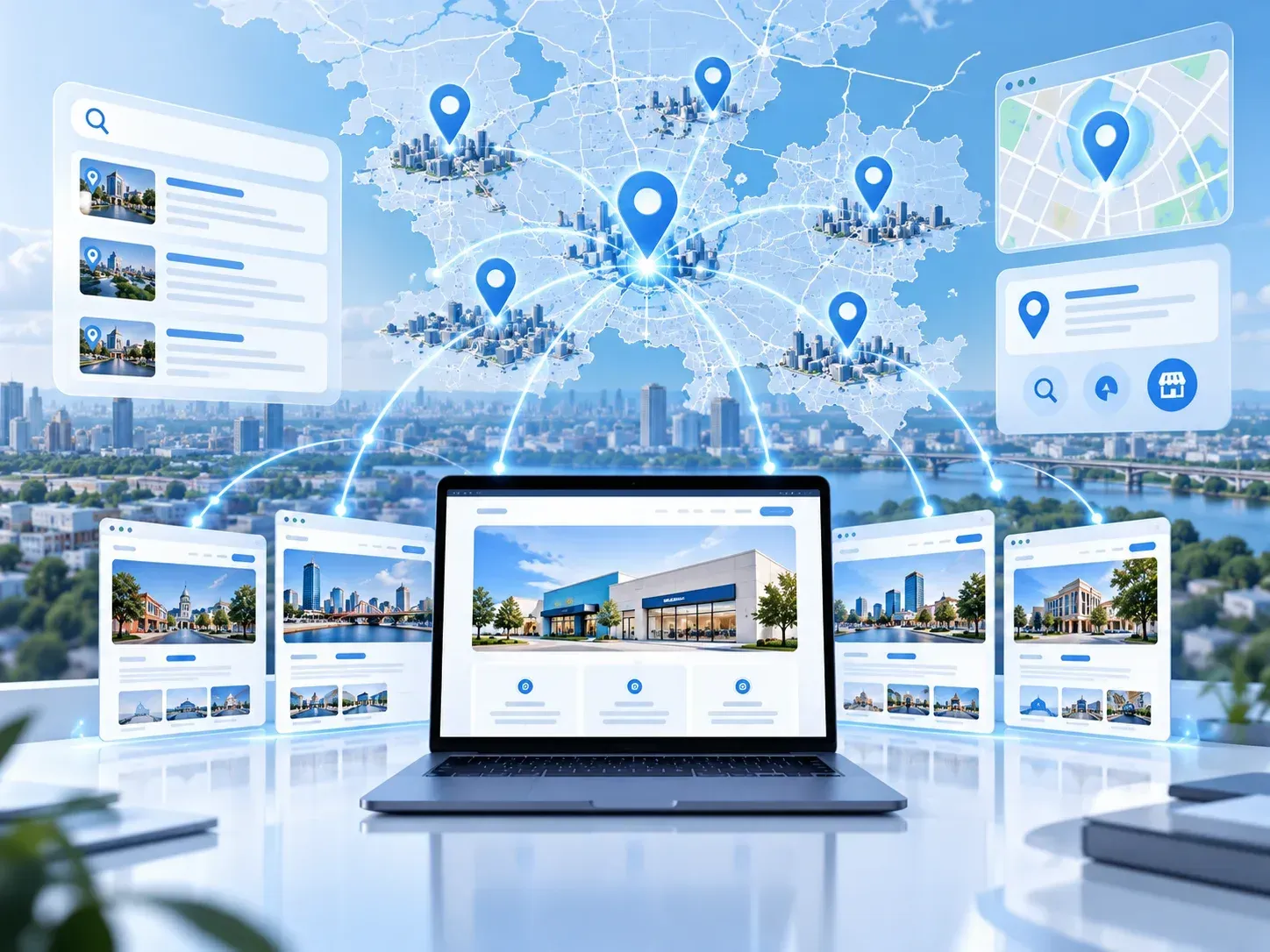
Location Pages Can Strengthen Your Local SEO Strategy
For businesses serving several cities, website structure becomes even more important.
Let's say your company is based in Layton but also serves nearby communities. You may want customers searching in those areas to discover your business.
Well-built location pages can help explain where you provide your services.
But simply copying one page and changing the city name is not a strong strategy.
Each useful location page should provide information that is relevant to customers in that area. The page should clearly explain the services available, the types of customers you help, and why someone should choose your business.
Your overall website structure might look like:
Homepage → Services → Local SEO → Layton
or
Homepage → Locations → Layton → Local SEO Services
The best setup depends on your business, services, and SEO strategy.
What matters is organization.
Search engines should not have to guess which pages are important or how different pages relate to each other.
Location pages should also be easy for visitors to reach. Hiding dozens of pages deep inside a website does little to create a useful experience.
Build Your Website for People and Search Engines
Website structure can sound technical, but the main idea is simple.
Make your website easy to understand.
A potential customer should quickly know:
Who are you?
What do you offer?
Where do you provide your services?
Why should they trust you?
What should they do next?
Search engines are also trying to understand many of these same things.
That is why web development and SEO should not be treated as completely separate projects.
A beautiful website with confusing navigation, weak service pages, poor internal linking, and no clear content structure may struggle to reach its full potential.
On the other hand, a properly organized website creates a foundation that can support your SEO strategy as your business grows.
You can add new services, build new location pages, publish helpful blog content, and strengthen existing pages without turning the website into a confusing mess.
Is Your Website Structured to Help Your Business Grow?
Your website should do more than sit online and look professional. It should help customers find your business, understand your services, and take the next step.
If your website has confusing navigation, missing service pages, weak internal links, or no clear local SEO structure, there may be opportunities to improve it.
Impact Layton SEO helps local businesses connect web development with SEO so their websites are built with growth in mind.
We look at more than colors and layouts. We consider how your pages fit together, how customers move through your website, and how search engines understand your services.
If you're wondering whether your current website is helping or holding back your online visibility, start with an SEO and website review.
Ready to find out what your website could be doing better? Contact Impact Layton SEO and take the next step toward building a stronger online presence.
Check out our ways of managing Google Business Profiles, Websites, and help with Google Ads
Ready to work with My Agency Site?
Let's connect! We’re here to help.
Send us a message and we’ll be in touch.
Or give us a call today at 111-222-3333
Agency Contact Form
More Marketing Tips, Tricks & Tools