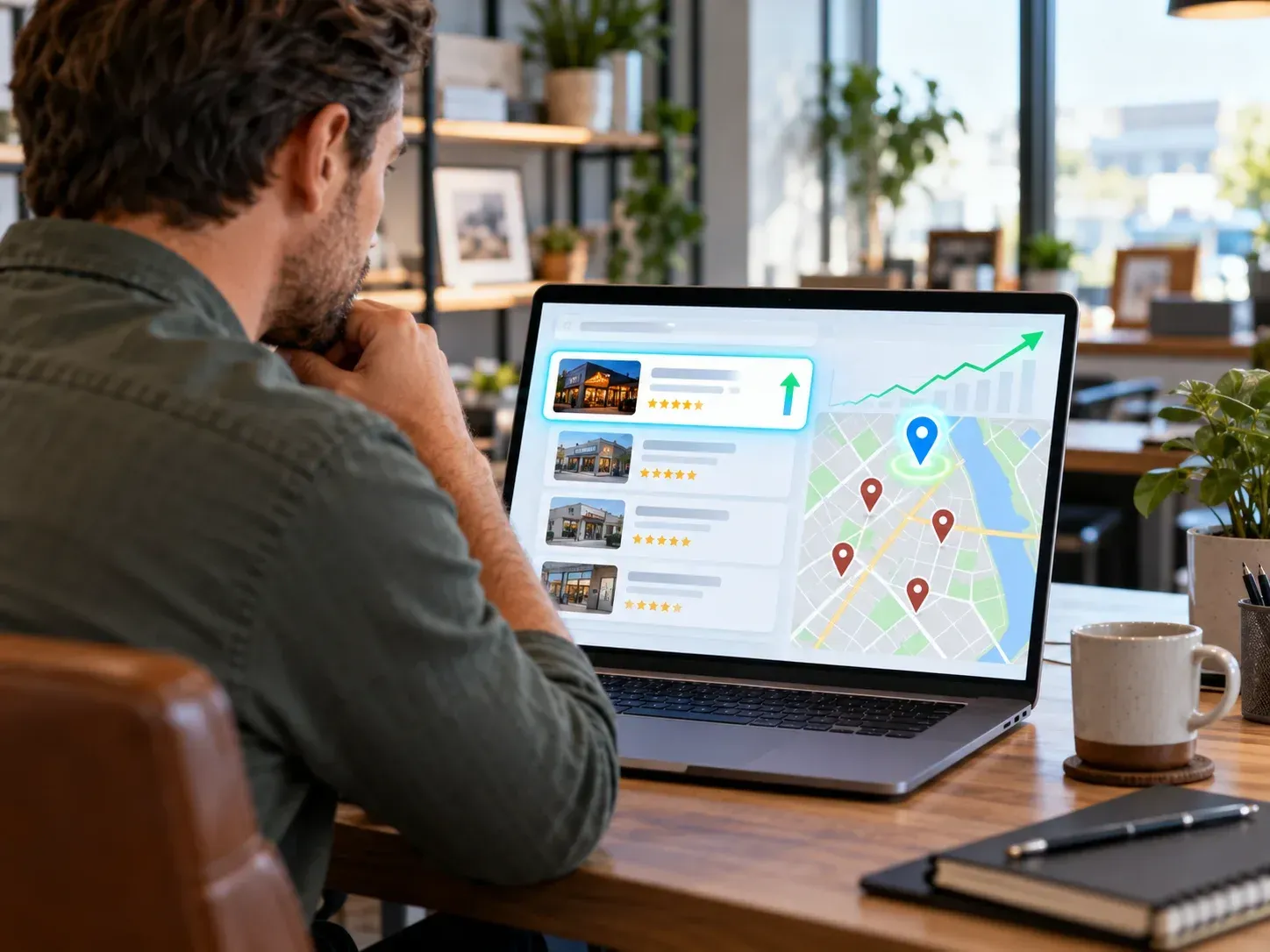
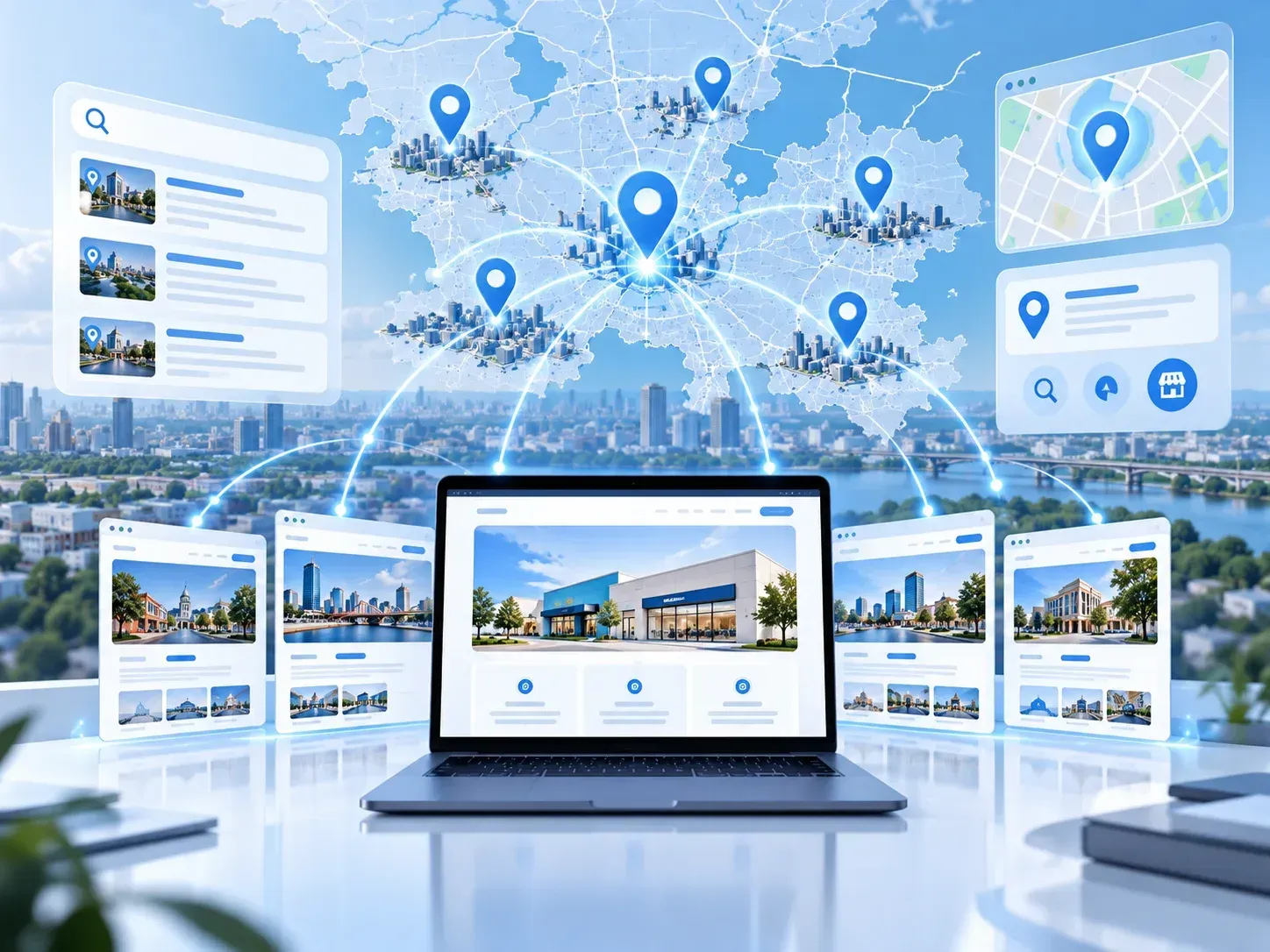
Web Development That Converts: 7 Website Features Every Local Business Must Have

February 27, 2026

Most local business websites look fine but they don’t produce calls, form fills, or booked appointments. That’s the real problem. A website isn’t just an online brochure. It should work like your best salesperson. It should guide visitors, build trust, and make it easy to take action.


If your site isn’t turning traffic into leads, it’s missing key conversion features. Below are seven must-have website features that help local businesses turn visitors into paying customers.

1. Clear Messaging and a Strong Value Proposition

When someone lands on your website, they decide in seconds if they will stay or leave. If your message is unclear, they bounce. Simple as that.


Your homepage must answer three questions right away:


  • What do you do?
  • Who do you help?
  • Why should someone choose you?


Clear Headline That Speaks to Your Audience


Your headline should be direct and easy to understand. Avoid clever phrases that confuse people. Say exactly what you do and where you do it.


For example:

  • “Professional Plumbing Services in [City]”
  • “Reliable Roof Repair for Homeowners in [City]”


This helps both users and search engines understand your business.


Benefits Over Features


Many local businesses talk about themselves. Instead, talk about the result customers get. People care about outcomes.


Instead of:

“We have 20 years of experience.”


Say:

“Get your problem fixed right the first time.”


That shift improves conversions because it speaks to customer needs.


2. Local SEO Structure That Drives the Right Traffic

A beautiful website means nothing if no one finds it. That’s where local SEO comes in. Your website should be built with search engines in mind from day one.


Optimized Service Pages


Each core service should have its own page. This helps you rank for specific search terms like:

  • “HVAC repair in [City]”
  • “Family dentist near me”
  • “Landscaping services in [City]”


Each page should include:

  • The service name
  • The city or service area
  • Clear explanations of the service
  • Calls to action


This structure improves rankings and helps users quickly find what they need.


Location Signals and Trust Indicators


Local businesses must show they are truly local. Include:

  • Your full business name, address, and phone number
  • Embedded Google Map
  • Service area list
  • Local testimonials


These signals improve credibility and support local search rankings. Search engines want to show real, trustworthy businesses. Your website should prove that you are one.


3. Conversion-Focused Design and Calls to Action

Traffic is important. But conversions are the goal. That means your website must guide visitors toward action.


Strong, Visible Calls to Action (CTAs)


Every important page should include clear CTAs like:

  • Call Now
  • Get a Free Quote
  • Schedule an Appointment
  • Book Online


Make your phone number clickable on mobile. Many local searches happen on smartphones. If people cannot tap to call, you lose business. Your CTA buttons should stand out with strong contrast colors. They should be easy to find without scrolling too much.


Simple Contact Forms


Long forms reduce conversions. Keep it simple.


Ask only for:

  • Name
  • Phone or Email
  • Brief message


The easier it is to contact you, the more leads you will get.


Fast Loading Speed


Website speed directly affects conversions. If your site takes more than a few seconds to load, visitors leave.


Optimize:

  • Images
  • Hosting
  • Mobile performance


Fast websites not only convert better, they also rank higher in Google.


4. Trust, Social Proof, and Mobile Experience

People buy from businesses they trust. Your website should build trust at every step.


Customer Reviews and Testimonials


Add real reviews from real customers. Even better, include:

  • Full names (when possible)
  • Photos
  • Short case results


For example:

“They fixed our AC the same day. Professional and honest.” Reviews reduce hesitation. They show that others had a positive experience.


Before-and-After Photos or Portfolio


If you offer visual services like landscaping, remodeling, cleaning, or detailing, show your work. Images build instant credibility. They show proof, not just promises.


Professional Design That Matches Your Brand


Your website should look clean and modern. Poor design creates doubt.

Use:

  • Consistent colors
  • Easy-to-read fonts
  • Organized layouts
  • Clear spacing


Clutter confuses users. Simplicity converts better.


Mobile-First Experience


Most local searches happen on mobile devices. Your website must:

  • Adjust perfectly to smaller screens
  • Have large tap-friendly buttons
  • Load quickly on mobile networks


If users struggle on mobile, they will go to your competitor.


The 7 Website Features That Drive Real Results

Let’s quickly recap the seven must-have features every local business website needs:


  1. Clear headline and value proposition
  2. Benefit-driven messaging
  3. SEO-optimized service pages
  4. Strong local signals and trust elements
  5. Clear and visible calls to action
  6. Simple, easy contact forms
  7. Reviews, social proof, and mobile-friendly design


These features work together. You cannot rely on just one. A converting website is built with strategy. It blends strong messaging, smart SEO structure, and user-focused design.


Your Website Should Be Your Hardest-Working Employee

Your website is open 24 hours a day. It answers questions. It builds trust. It brings in leads while you sleep. But only if it’s built correctly.


If your current site is not generating calls, quote requests, or bookings, it is not a traffic problem. It is a conversion problem. Focus on clarity. Focus on trust. Focus on making action easy.


When you combine smart web development with local SEO and conversion strategy, your website stops being an expense and becomes a growth engine. Local businesses that invest in conversion-focused web development win more customers, build stronger brands, and dominate their markets.


Now the question is simple:

Is your website just sitting there… or is it working for you?

Check out our ways of managing Google Business Profiles, Websites, and help with Google Ads

Ready to work with My Agency Site?

Let's connect! We’re here to help.

Send us a message and we’ll be in touch. 

Or give us a call today at 111-222-3333

Agency Contact Form

More Marketing Tips, Tricks & Tools
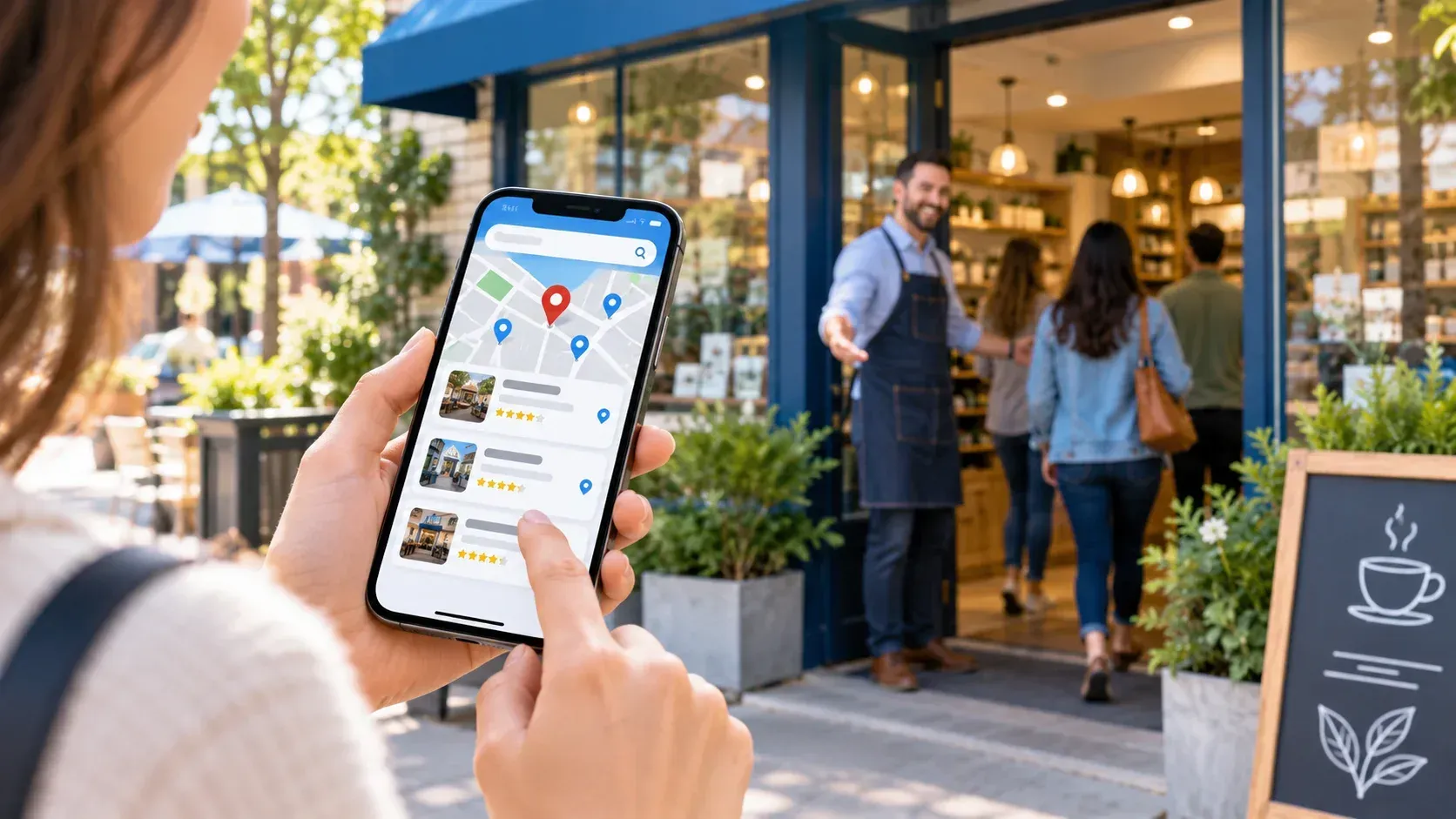
human-driven marketing
By Scott Walker December 30, 2025
Discover how blending AI efficiency with authentic, human-driven marketing builds trust and boosts conversions. Learn why transparency, human tone, and emotional storytelling matter more than ever in 2025.
Google Ads
By Scott Walker December 16, 2025
Stay ahead of Google Ads changes with a clear guide on automation, privacy updates, and blended metrics. Learn how to boost conversions and track real revenue.
Shop Now
By Scott Walker December 2, 2025
Discover where customers make buying decisions in 2025, on your Google Business Profile or your website.
AI-Native Marketing
By Scott Walker November 18, 2025
Boost leads with AI-native marketing. Learn how small businesses can automate content, landing pages, GBP, and ads while keeping their brand voice real and human.
By Scott Walker June 17, 2025
In today’s highly competitive digital world, simply having a website isn’t enough to grow your business. To stand out and attract the right customers, you need to ensure that people can easily find you online. That’s where Search Engine Optimization, or SEO, comes in.  SEO is more than a marketing buzzword—it’s a strategic investment that drives long-term visibility, traffic, and revenue for your business. Whether you're a local business owner, a service provider, or an e-commerce brand, SEO has the power to consistently bring in qualified leads without paying for every click. Let’s break down why SEO matters and how it continues to pay dividends long after you’ve implemented it.
By Scott Walker June 10, 2025
In today’s digital-first world, your local business needs more than just a storefront and word-of-mouth to thrive. To attract customers in your area, you need to rank at the top of local search results—and that requires a well-executed local SEO strategy. Local SEO is all about optimizing your online presence to attract nearby customers at the exact moment they’re searching for your services. But with competition growing, how can you stand out?  Ranking #1 in your city doesn’t happen by accident. It requires a combination of technical precision, strategic content, and ongoing engagement with your local audience. Here’s a comprehensive guide to the most effective local SEO strategies that can put your business at the top of local search results.
By Scott Walker June 3, 2025
In the fast-paced world of digital marketing, staying ahead of the curve requires a deep understanding of how search engines are evolving. One of the most transformative forces driving this evolution is artificial intelligence (AI). From content creation to search engine algorithms, AI is transforming the SEO landscape in ways that marketers and business owners must understand to remain competitive.  As AI technology becomes more sophisticated, it’s playing an increasingly critical role in how websites are ranked, how content is evaluated, and how user intent is interpreted. To succeed in today’s digital environment, SEO strategies must align with the intelligent systems that power modern search engines.
By Scott Walker February 26, 2025
stay ahead of the curve to maintain their online visibility. Search engines are becoming more intelligent, user behavior is changing, and new technologies are reshaping digital marketing strategies. So, what’s next for SEO in 2025? Let’s explore the key trends that will define the future of search optimization. 1. AI and Machine Learning Will Dominate SEO Artificial intelligence (AI) is already a game-changer in SEO, and its influence is only growing. Google’s AI-driven algorithms, such as RankBrain and BERT, continue to refine search results based on user intent rather than just keywords. How to Adapt: Focus on creating content that provides real value and answers user queries naturally. Use AI-powered SEO tools to analyze keyword trends, user behavior, and content performance. Optimize for voice search by adopting conversational language in your content. 2. Zero-Click Searches Will Rise With Google displaying more information directly on SERPs through featured snippets, knowledge panels, and People Also Ask sections, users often find answers without clicking on a website. How to Adapt: Optimize for featured snippets by structuring content with clear headings, bullet points, and concise answers. Implement schema markup to help search engines understand and display your content more effectively. Create compelling meta descriptions to encourage clicks even when your site appears in zero-click searches. 3. Search Intent Will Matter More Than Ever Keyword rankings are no longer just about search volume; they are about understanding the intent behind a search. Search engines prioritize results that align with user intent, whether informational, navigational, transactional, or commercial. How to Adapt: Conduct thorough keyword research to identify the intent behind target search queries. Optimize content based on the type of information users are looking for. Use data-driven insights to refine content strategy and ensure relevance. 4. Voice Search and Conversational Queries Will Grow With the increasing use of smart speakers and voice assistants, voice search is expected to make up a significant portion of online searches. These searches are more conversational and question-based. How to Adapt: Use natural language and long-tail keywords in your content. Structure content in a Q&A format to align with voice search queries. Optimize for local search, as voice searches often include location-based questions.
By Scott Walker February 21, 2025
In digital marketing, businesses often face a critical decision—should they focus on Search Engine Optimization (SEO) or invest in Pay-Per-Click (PPC) advertising? While each strategy has its advantages, the true power lies in combining SEO and PPC to create a more effective, well-rounded marketing approach. When used together, these two strategies complement each other, leading to increased visibility, higher conversions, and improved overall digital marketing performance. Understanding SEO and PPC Before we discuss how these two strategies complement each other, let’s break down their fundamental differences: SEO (Search Engine Optimization) SEO is a long-term strategy that optimizes your website to rank higher in organic search results. This involves: Keyword research and optimization High-quality content creation Technical SEO improvements Link building Mobile-friendliness and user experience enhancements PPC (Pay-Per-Click Advertising) PPC is a paid advertising model where businesses bid on keywords to display ads at the top of search engine results pages (SERPs). This method provides: Immediate visibility Targeted audience reach Cost control (you only pay for clicks) A/B testing capabilities While SEO helps build long-term organic authority, PPC offers quick and targeted exposure. Now, let’s explore how these two strategies complement each other.
By Scott Walker February 12, 2025
SEO is one of the most effective ways to drive organic traffic to your website, but many businesses unknowingly sabotage their efforts by making common SEO mistakes. Whether outdated tactics, poor content strategies, or technical oversights, these missteps can cost you rankings, traffic, and revenue. 1. Ignoring Search Intent One of the biggest mistakes businesses make is focusing too much on keywords and not enough on search intent. Google’s algorithms prioritize content that directly answers user queries. If your content doesn’t align with what searchers are looking for, it won’t rank well—no matter how many keywords you include. How to Avoid This Mistake: Research search intent for your target keywords—are users looking for information, product recommendations, or direct purchases? Structure content around answering user questions clearly and concisely. Optimize for featured snippets by providing direct, well-formatted answers. 2. Overloading Keywords (Keyword Stuffing) Gone are the days when stuffing a page with keywords could boost rankings. Today, Google penalizes websites that overuse keywords unnaturally, leading to a poor user experience. How to Avoid This Mistake: Use keywords naturally and contextually. Focus on semantic SEO—use variations and related terms rather than repeating the same keyword. Write for people first, not search engines. 3. Neglecting Mobile Optimization With mobile traffic surpassing desktop traffic, failing to optimize your site for mobile users can severely hurt your rankings. Google prioritizes mobile-first indexing, which primarily evaluates your site's mobile version. How to Avoid This Mistake: Use a responsive web design to ensure your site adapts to different screen sizes. Optimize images and reduce unnecessary scripts to improve page load speed. Test your site with Google’s Mobile-Friendly Test. 4. Poor Website Structure and Navigation A cluttered or confusing website structure makes navigating your site difficult for users and search engines, leading to higher bounce rates and lower rankings. How to Avoid This Mistake: Use a clear hierarchy in your website navigation. Implement internal linking to help users and search engines find relevant content. Avoid deep page structures—ensure important content is accessible within a few clicks. 5. Ignoring Technical SEO Technical SEO issues like slow loading speeds, broken links, and missing meta tags can hurt your rankings even if your content is top-notch. How to Avoid This Mistake:  Conduct regular website audits to identify and fix technical issues. Improve site speed by optimizing images, leveraging browser caching, and using a content delivery network (CDN). Ensure all pages have proper meta titles and descriptions.