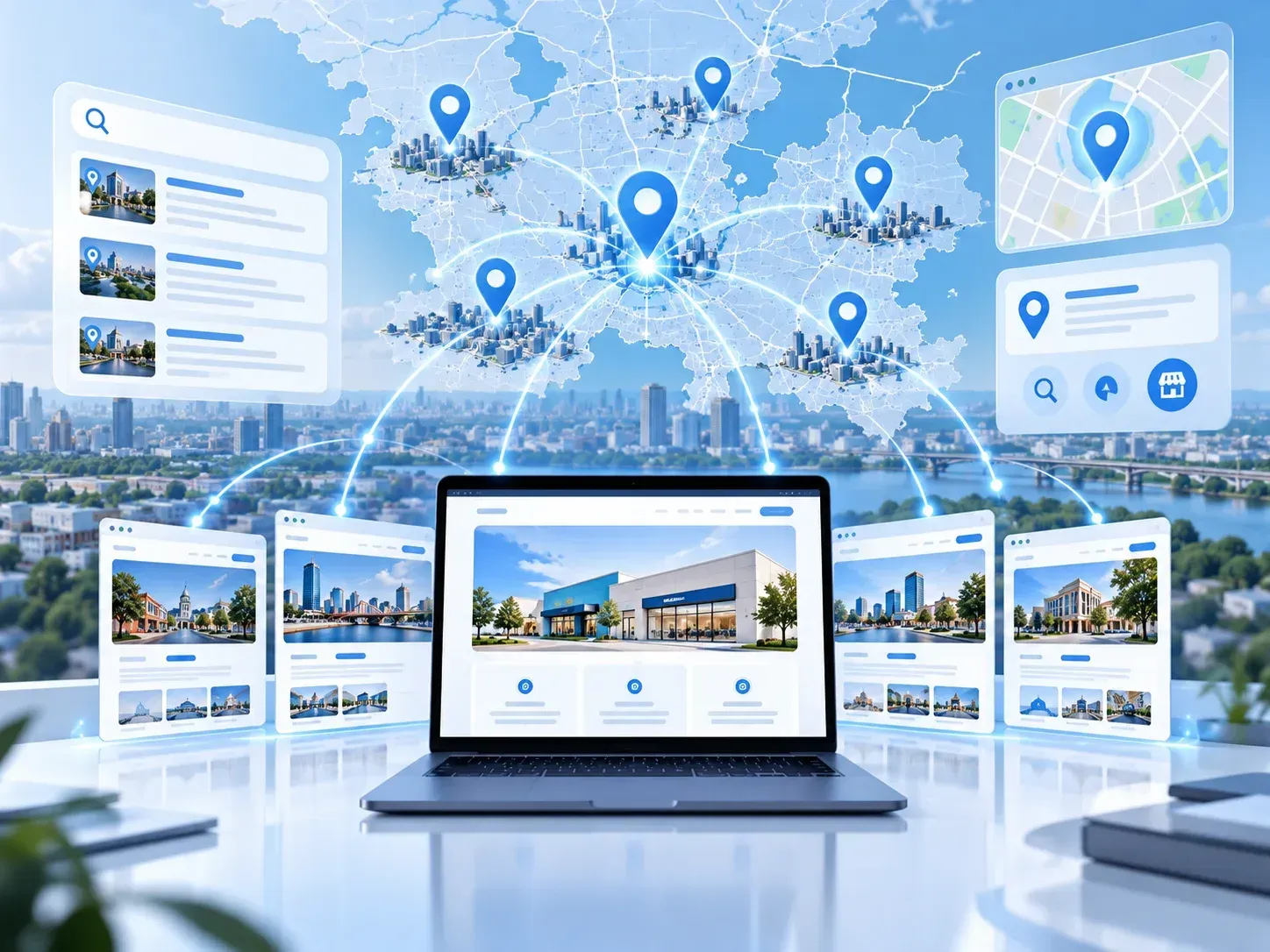
Local SEO in 2026: 10 Proven Strategies to Dominate Google Maps and Organic Search

March 2, 2026

Most local businesses don’t have a traffic problem. They have a visibility problem. If customers can’t find you on Google Maps or in organic search, they’re calling your competitor instead. In 2026, Local SEO is no longer optional. It’s the engine that drives calls, website visits, and foot traffic.


The good news? You don’t need a massive marketing budget. You need the right strategy. Below are 10 proven strategies to help your business show up, stand out, and win locally.


Why Local SEO Matters More Than Ever in 2026


Search behavior has changed. People search with voice, mobile devices, and AI-assisted results. They expect fast answers and trusted businesses near them.


When someone types:


  • “plumber near me”
  • “best chiropractor in Layton”
  • “emergency roof repair open now”


Google shows two main areas:


  1. Google Maps (Local Pack)
  2. Organic Search Results


If your business is not optimized for both, you are missing leads daily. Local SEO helps you:


  • Rank higher in Google Maps
  • Show up in local organic results
  • Build trust through reviews
  • Increase calls and website visits
  • Beat bigger competitors in your area


Now let’s break down the strategies that make it happen.

Google Business Profile

Google Business Profile Optimization: Your #1 Ranking Asset

Your Google Business Profile (GBP) is the foundation of Local SEO. In 2026, it is more powerful than ever.


1. Fully Optimize Every Section


Complete profiles rank better. Make sure you:


  • Choose the correct primary category
  • Add relevant secondary categories
  • Write a keyword-rich business description
  • List accurate services
  • Add hours, holiday hours, and service areas


Consistency builds trust with Google.


2. Use Keywords Naturally in Your Profile


Avoid keyword stuffing. Instead, use natural phrases like:


  • “family-owned HVAC company in Austin”
  • “emergency dentist serving Round Rock”


Google’s AI understands context. Write like a human.


3. Add Photos and Videos Weekly


Businesses that add fresh media often see higher engagement.

Upload:


  • Team photos
  • Before-and-after images
  • Short service videos
  • Office or storefront photos


Fresh activity signals relevance.


4. Post Weekly Updates


Google Posts still matter. Share:


  • Promotions
  • Service highlights
  • FAQs
  • Community involvement


Posting weekly keeps your listing active and competitive.


On-Page SEO: Optimizing Your Website for Local Search

Your website must support your Google Business Profile. Google cross-checks everything.


5. Create City-Specific Service Pages


If you serve multiple cities, create separate pages like:


  • “Roof Repair in Ogden”
  • “Water Heater Installation in Bountiful”


Each page should include:


  • City name in the H1
  • Local landmarks or neighborhoods
  • Unique content (not copied text)


This improves your organic rankings in each location.


6. Optimize Title Tags and Meta Descriptions


Your page titles should include:


  • Service + City


Example:

“Garage Door Repair in Layton | 24/7 Emergency Service”


Meta descriptions should:


  • Be clear
  • Include location
  • Encourage clicks


Higher click-through rates improve performance over time.


7. Improve Page Speed and Mobile Experience


Most local searches happen on mobile.

If your site:


  • Loads slowly
  • Has tiny text
  • Is hard to navigate


Users leave. Google notices.


Fast websites rank better and convert more visitors into leads.


Reviews, Authority, and Trust Signals

Trust drives rankings. In 2026, reviews are a major ranking factor.


8. Build a Review Generation System


Don’t hope for reviews. Ask for them.


Create a simple process:


  • Send a text after service
  • Send a follow-up email
  • Include a direct review link


The more consistent your review flow, the stronger your local ranking.


9. Respond to Every Review


Positive or negative, respond professionally. When you reply:


  • Use your service keywords naturally
  • Mention the city
  • Thank the customer


This creates fresh content and signals engagement.


10. Build Local Backlinks


Backlinks are links from other websites to yours. For local businesses, focus on:


  • Local directories
  • Chamber of Commerce
  • Community sponsorships
  • Local blogs


Quality matters more than quantity.


If trusted local websites link to you, Google sees your business as credible.


Advanced Local SEO Strategies for 2026

Basic optimization is no longer enough. Smart businesses go deeper.


Voice Search Optimization


People speak differently than they type.


Instead of typing:

“best pizza Layton”


They ask:

“Where is the best pizza place near me?”


Add FAQ sections to your website that answer real questions. This helps with voice and AI-driven search results.


Structured Data (Schema Markup)


Schema tells Google:


  • Your business name
  • Address
  • Phone number
  • Services
  • Reviews


This helps search engines understand your business clearly.


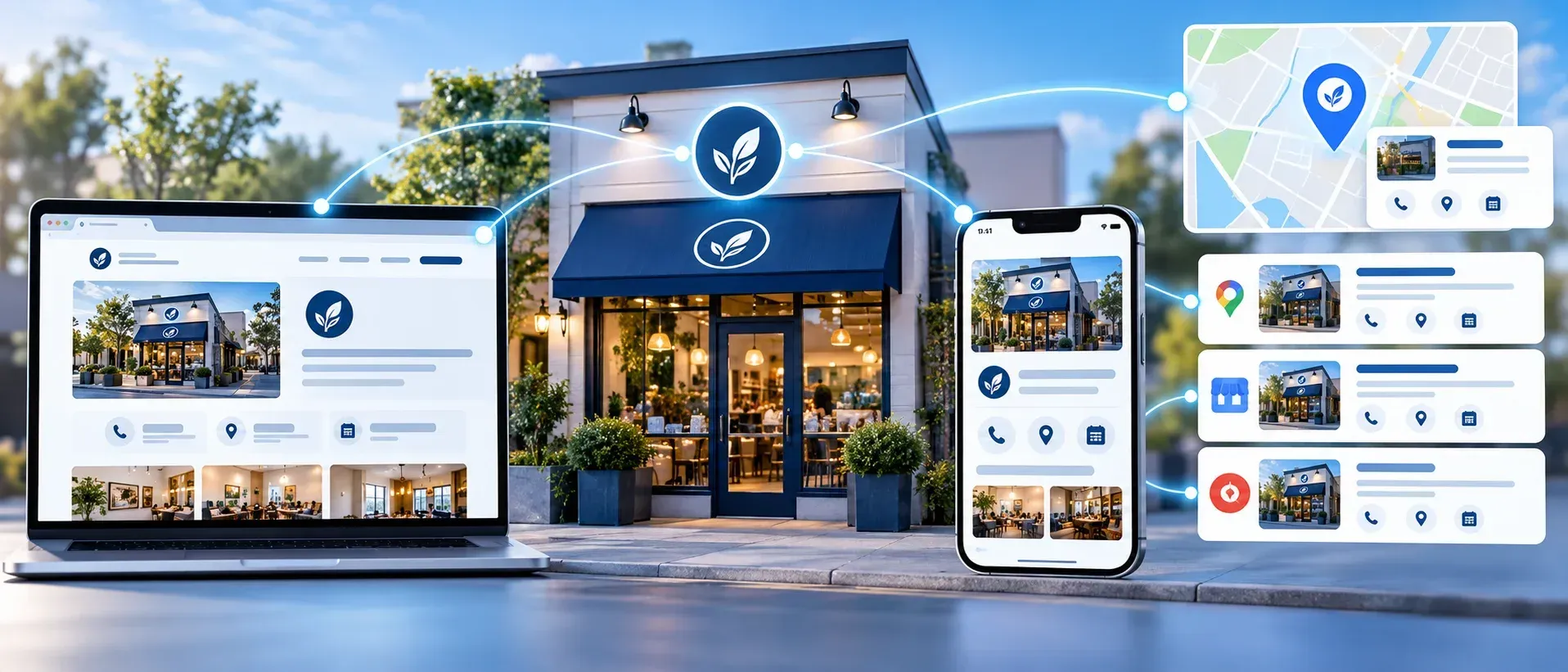
Consistent NAP Information


NAP stands for:


  • Name
  • Address
  • Phone number


Make sure this information is identical across:


  • Your website
  • Google Business Profile
  • Yelp
  • Facebook
  • Online directories


Even small differences can hurt rankings.


Track and Adjust Monthly


Local SEO is not a one-time task.


Review monthly:


  • Keyword rankings
  • Website traffic
  • Call volume
  • Google Business Profile insights


Adjust based on real data.


Check out our ways of managing Google Business Profiles, Websites, and help with Google Ads

Ready to work with My Agency Site?

Let's connect! We’re here to help.

Send us a message and we’ll be in touch. 

Or give us a call today at 111-222-3333

Agency Contact Form

More Marketing Tips, Tricks & Tools
By Scott Walker February 27, 2026
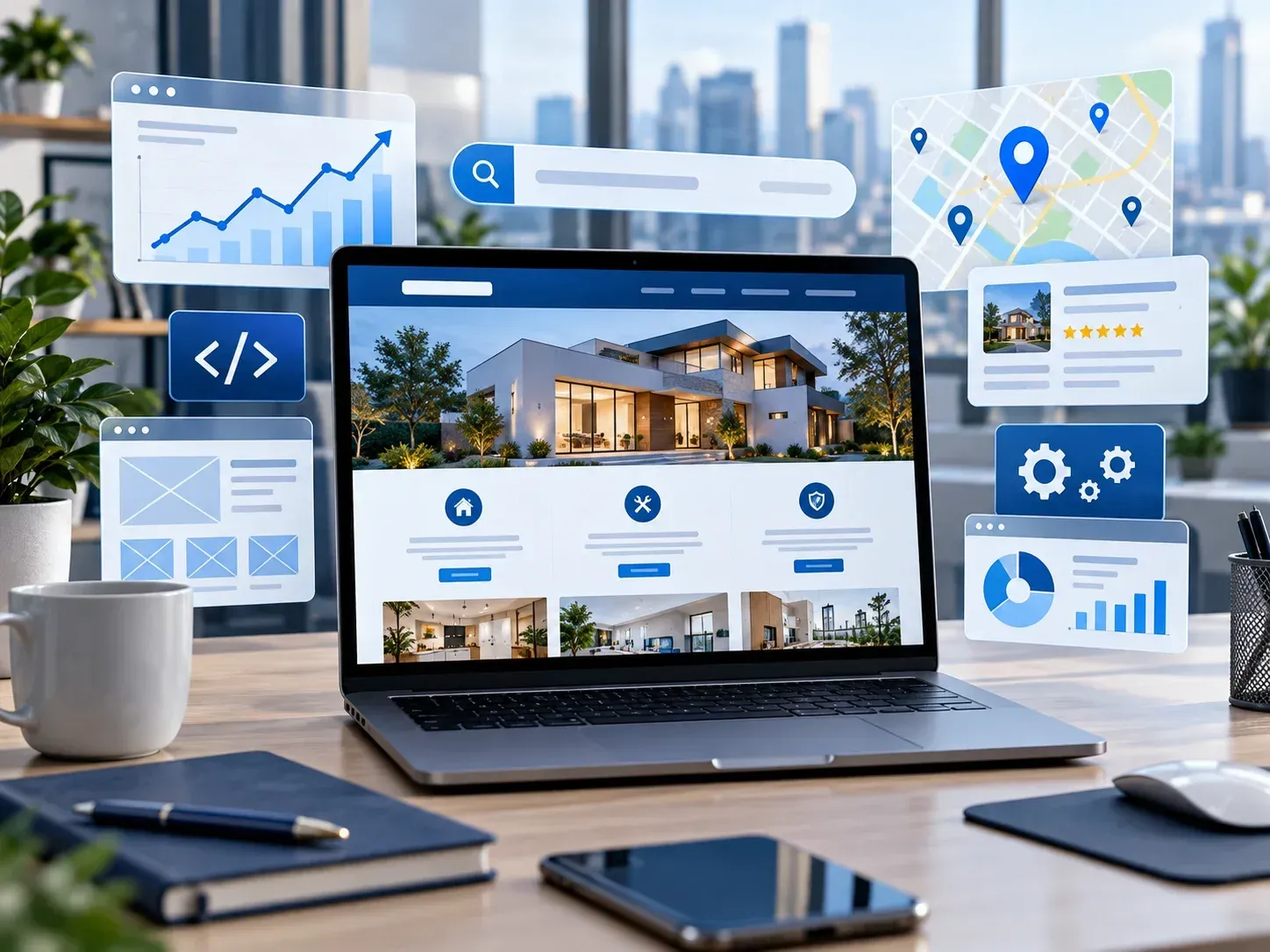
Most local business websites look fine but they don’t produce calls, form fills, or booked appointments. That’s the real problem. A website isn’t just an online brochure. It should work like your best salesperson. It should guide visitors, build trust, and make it easy to take action. If your site isn’t turning traffic into leads, it’s missing key conversion features. Below are seven must-have website features that help local businesses turn visitors into paying customers.
human-driven marketing
By Scott Walker December 30, 2025
Discover how blending AI efficiency with authentic, human-driven marketing builds trust and boosts conversions. Learn why transparency, human tone, and emotional storytelling matter more than ever in 2025.
Google Ads
By Scott Walker December 16, 2025
Stay ahead of Google Ads changes with a clear guide on automation, privacy updates, and blended metrics. Learn how to boost conversions and track real revenue.
Shop Now
By Scott Walker December 2, 2025
Discover where customers make buying decisions in 2025, on your Google Business Profile or your website.
AI-Native Marketing
By Scott Walker November 18, 2025
Boost leads with AI-native marketing. Learn how small businesses can automate content, landing pages, GBP, and ads while keeping their brand voice real and human.
By Scott Walker June 17, 2025
In today’s highly competitive digital world, simply having a website isn’t enough to grow your business. To stand out and attract the right customers, you need to ensure that people can easily find you online. That’s where Search Engine Optimization, or SEO, comes in.  SEO is more than a marketing buzzword—it’s a strategic investment that drives long-term visibility, traffic, and revenue for your business. Whether you're a local business owner, a service provider, or an e-commerce brand, SEO has the power to consistently bring in qualified leads without paying for every click. Let’s break down why SEO matters and how it continues to pay dividends long after you’ve implemented it.
By Scott Walker June 10, 2025
In today’s digital-first world, your local business needs more than just a storefront and word-of-mouth to thrive. To attract customers in your area, you need to rank at the top of local search results—and that requires a well-executed local SEO strategy. Local SEO is all about optimizing your online presence to attract nearby customers at the exact moment they’re searching for your services. But with competition growing, how can you stand out?  Ranking #1 in your city doesn’t happen by accident. It requires a combination of technical precision, strategic content, and ongoing engagement with your local audience. Here’s a comprehensive guide to the most effective local SEO strategies that can put your business at the top of local search results.
By Scott Walker June 3, 2025
In the fast-paced world of digital marketing, staying ahead of the curve requires a deep understanding of how search engines are evolving. One of the most transformative forces driving this evolution is artificial intelligence (AI). From content creation to search engine algorithms, AI is transforming the SEO landscape in ways that marketers and business owners must understand to remain competitive.  As AI technology becomes more sophisticated, it’s playing an increasingly critical role in how websites are ranked, how content is evaluated, and how user intent is interpreted. To succeed in today’s digital environment, SEO strategies must align with the intelligent systems that power modern search engines.
By Scott Walker February 26, 2025
stay ahead of the curve to maintain their online visibility. Search engines are becoming more intelligent, user behavior is changing, and new technologies are reshaping digital marketing strategies. So, what’s next for SEO in 2025? Let’s explore the key trends that will define the future of search optimization. 1. AI and Machine Learning Will Dominate SEO Artificial intelligence (AI) is already a game-changer in SEO, and its influence is only growing. Google’s AI-driven algorithms, such as RankBrain and BERT, continue to refine search results based on user intent rather than just keywords. How to Adapt: Focus on creating content that provides real value and answers user queries naturally. Use AI-powered SEO tools to analyze keyword trends, user behavior, and content performance. Optimize for voice search by adopting conversational language in your content. 2. Zero-Click Searches Will Rise With Google displaying more information directly on SERPs through featured snippets, knowledge panels, and People Also Ask sections, users often find answers without clicking on a website. How to Adapt: Optimize for featured snippets by structuring content with clear headings, bullet points, and concise answers. Implement schema markup to help search engines understand and display your content more effectively. Create compelling meta descriptions to encourage clicks even when your site appears in zero-click searches. 3. Search Intent Will Matter More Than Ever Keyword rankings are no longer just about search volume; they are about understanding the intent behind a search. Search engines prioritize results that align with user intent, whether informational, navigational, transactional, or commercial. How to Adapt: Conduct thorough keyword research to identify the intent behind target search queries. Optimize content based on the type of information users are looking for. Use data-driven insights to refine content strategy and ensure relevance. 4. Voice Search and Conversational Queries Will Grow With the increasing use of smart speakers and voice assistants, voice search is expected to make up a significant portion of online searches. These searches are more conversational and question-based. How to Adapt: Use natural language and long-tail keywords in your content. Structure content in a Q&A format to align with voice search queries. Optimize for local search, as voice searches often include location-based questions.
By Scott Walker February 21, 2025
In digital marketing, businesses often face a critical decision—should they focus on Search Engine Optimization (SEO) or invest in Pay-Per-Click (PPC) advertising? While each strategy has its advantages, the true power lies in combining SEO and PPC to create a more effective, well-rounded marketing approach. When used together, these two strategies complement each other, leading to increased visibility, higher conversions, and improved overall digital marketing performance. Understanding SEO and PPC Before we discuss how these two strategies complement each other, let’s break down their fundamental differences: SEO (Search Engine Optimization) SEO is a long-term strategy that optimizes your website to rank higher in organic search results. This involves: Keyword research and optimization High-quality content creation Technical SEO improvements Link building Mobile-friendliness and user experience enhancements PPC (Pay-Per-Click Advertising) PPC is a paid advertising model where businesses bid on keywords to display ads at the top of search engine results pages (SERPs). This method provides: Immediate visibility Targeted audience reach Cost control (you only pay for clicks) A/B testing capabilities While SEO helps build long-term organic authority, PPC offers quick and targeted exposure. Now, let’s explore how these two strategies complement each other.