Why Your Local Business Website Needs a Clear Path From Google Search to Contact
Getting your local business to show up on Google is a big win. But rankings alone do not pay the bills.
A potential customer can find your business, click your website, and still leave without calling. This often happens because the website does not make the next step clear.
Good local SEO brings the right people to your website. Smart web development helps turn those visitors into leads. When these two strategies work together, you create a simple path from Google search to phone call, form submission, or booked appointment.
Here is why that path matters and how local businesses can improve it.
1. Think Beyond Getting the Click
Imagine someone searches Google for a service you provide. They see your business, click your website, and land on your homepage.
What happens next?
The visitor should quickly understand three things:
- What service you provide
- Where you provide it
- How they can contact you
If those answers are hard to find, visitors may leave and choose another company.
People searching for local services are often looking for a solution right now. They may need a roofer, auto glass company, plumber, restoration company, or another local professional. They usually do not want to spend several minutes figuring out a website.
Your website should make their next move obvious.
A clear headline, short explanation, phone number, and strong call-to-action button can help guide visitors forward.
2. Match the Website Page to What People Search For
One common mistake is sending every Google visitor to the homepage.
That is not always the best experience.
If someone searches for roof repair, they should ideally land on a page about roof repair. Someone searching for siding installation should find a page specifically explaining siding installation.
This creates a stronger connection between the search intent and the website content.
Dedicated service pages can also help search engines understand your business. Instead of trying to make one page rank for every service, your website can have separate pages built around important services and customer needs.
For example, a local service website might include:
- A main homepage
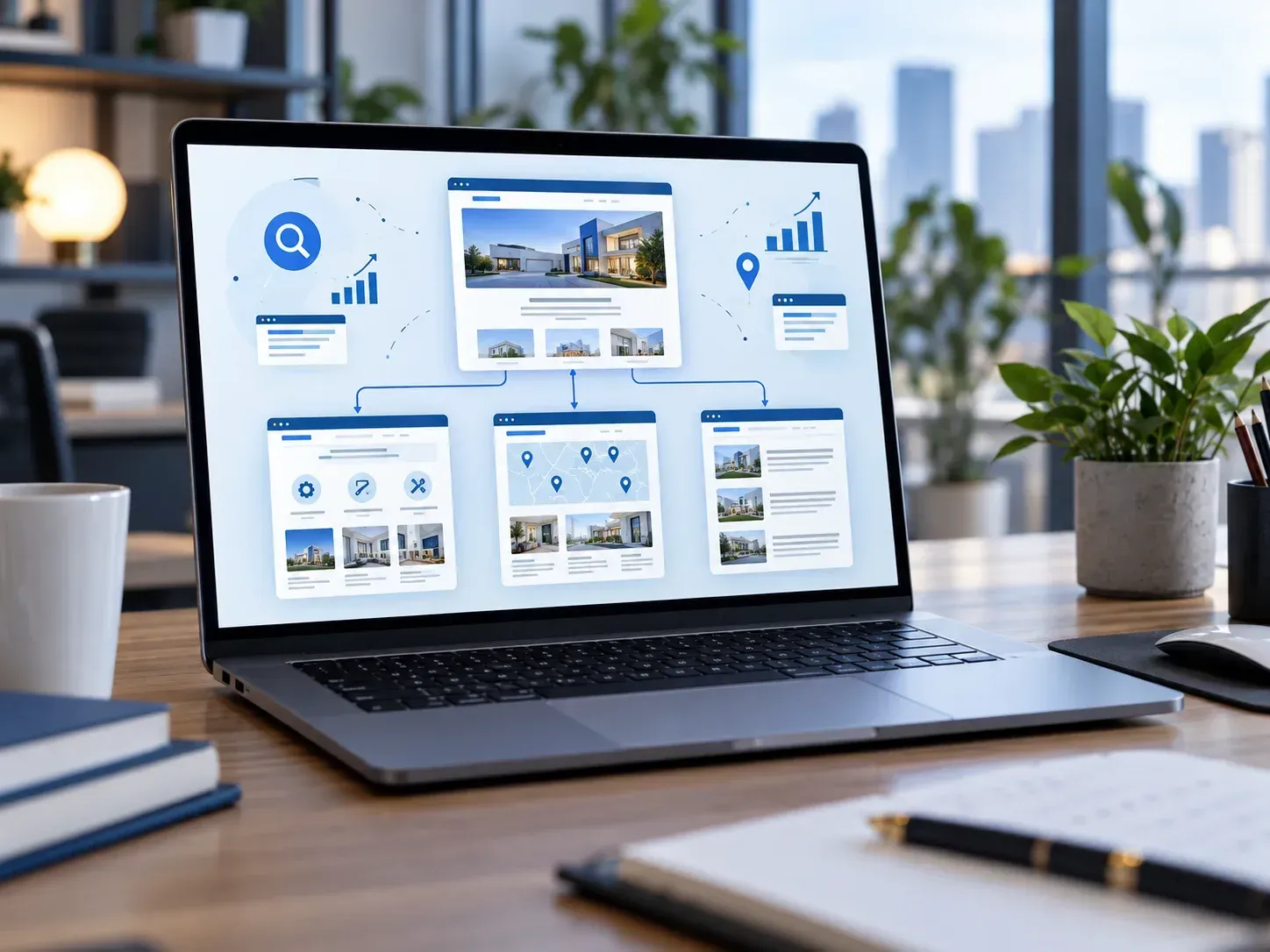
- Individual service pages
- Location or service-area pages
- About page
- Contact page
- Helpful blog content
- Frequently asked questions
Each page has a purpose.
The goal is not to create pages simply to make the website larger. Every page should answer a real question or help a potential customer move closer to contacting your business.
3. Make It Easy for Visitors to Take Action
Your website should never make someone hunt for a way to contact you.
Calls-to-action, or CTAs, tell visitors what to do next.
Examples include:
Request a Free Quote
Call for Service
Schedule a Consultation
Get Your Free Website Audit
The right CTA depends on your business and what your customers want.
Placement matters too. A strong CTA should normally appear near the top of an important page. Additional CTAs can be added naturally throughout the content and again near the bottom.
Mobile visitors deserve special attention.
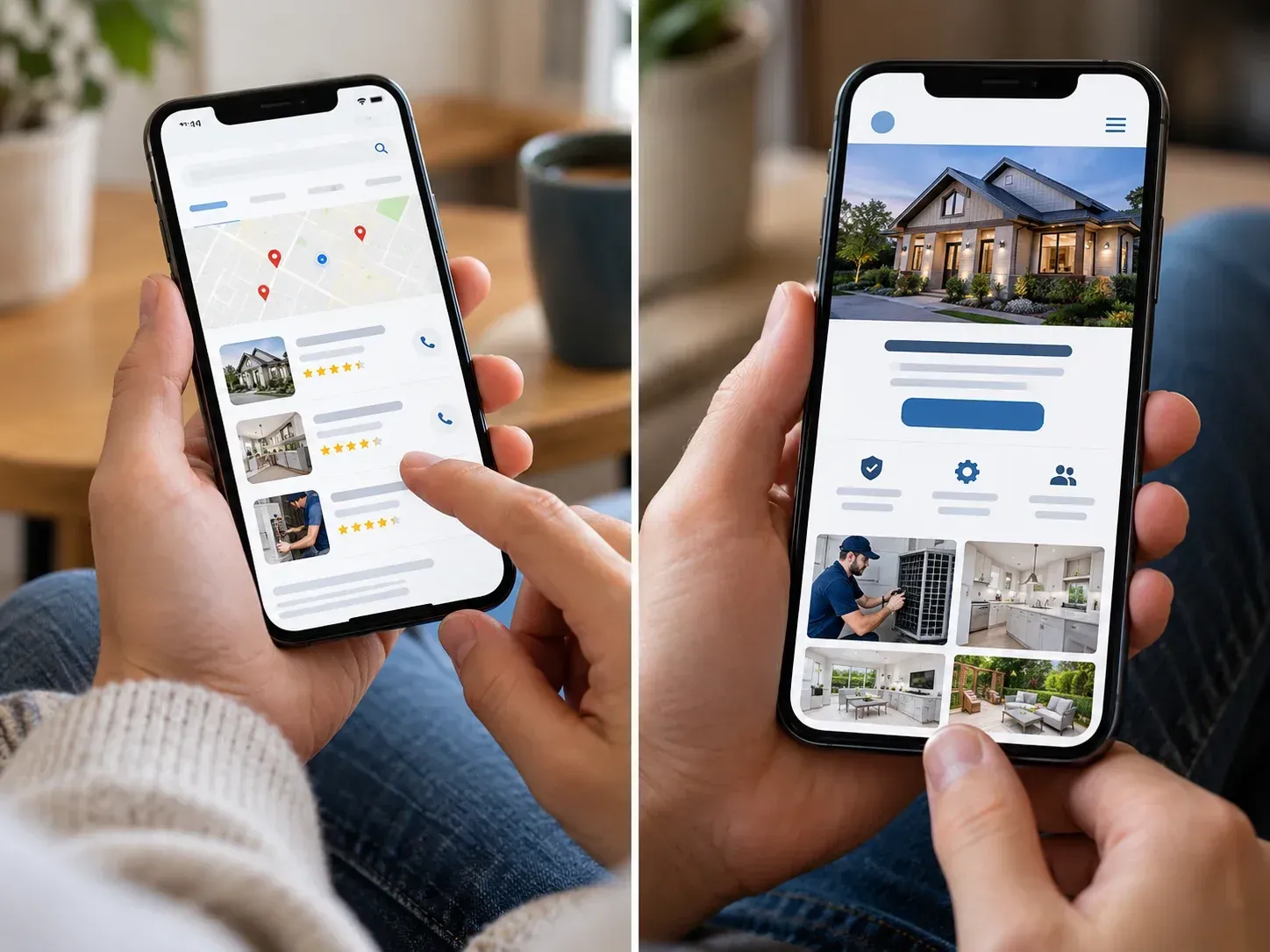
A person searching from a phone may want to call immediately. A clickable phone number or easy-to-find contact button can remove unnecessary steps.
Forms should also be simple. Asking for too much information can create friction. If you only need a name, phone number, email, and short description of the project, there may be little reason to ask 15 questions.
The easier you make the next step, the more likely people are to take it.
4. Use Local SEO and Web Development Together
Local SEO and web development should not be treated as two completely separate strategies.
SEO helps people discover your business.
Web development shapes what happens after they arrive.
A website may rank well but produce few leads because it is confusing, slow, outdated, or difficult to use. On the other hand, a beautiful website cannot generate much organic traffic if people cannot find it.
Strong local business websites bring both sides together.
Your site should be built around:
- Relevant local search terms
- Clear service information
- Easy navigation
- Fast loading times
- Mobile-friendly design
- Helpful content
- Strong calls-to-action
- Clear contact information
- Trust signals such as reviews and testimonials
Local relevance is also important. Your website should make it clear where your company works without forcing city names unnaturally into every paragraph.
Search engines need context, but so do real people.
Write for potential customers first while making the topic and location easy for search engines to understand.
5. Turn More Google Searches Into Real Leads
A successful local website should do more than look professional.
It should help grow the business.
Start by looking at your website from a customer's point of view. Imagine you know nothing about the company and just landed on the site after searching Google.
Can you immediately tell what the business does?
Can you find the service you searched for?
Do you know whether the company serves your area?
Can you quickly find a phone number or contact button?
Do you have a reason to trust the company?
If any of those answers are no, there may be an opportunity to improve the path from search to contact.
Frequently Asked Questions
Does a better website help local SEO?
A well-built website can support local SEO by making content easier to understand, improving usability, and creating strong pages around important services and locations.
Should every service have its own page?
Major services usually deserve dedicated pages when there is enough useful information to help visitors understand the service and make a decision.
How many calls-to-action should a page have?
There is no perfect number. The important thing is making the next step clear without overwhelming the visitor.
Why am I getting website traffic but not enough calls?
There can be many reasons. Poor page targeting, weak CTAs, confusing navigation, slow pages, lack of trust, and a poor mobile experience can all reduce conversions.
Build a Website That Works After the Click
Getting found on Google is important, but it is only the beginning.
Your local SEO strategy should bring qualified visitors to the right pages. Your website should then make it easy for those visitors to understand your business, trust your company, and take the next step.
That is where effective SEO and web development work together.
At Impact Layton SEO, we help local businesses build a stronger online presence designed around visibility, usability, and qualified leads. If your website gets traffic but is not producing enough calls or inquiries, it may be time to look at what happens after people click.
Ready to find out where your website may be losing potential customers? Request your free website and SEO audit from Impact Layton SEO.
Check out our ways of managing Google Business Profiles, Websites, and help with Google Ads
Ready to work with My Agency Site?
Let's connect! We’re here to help.
Send us a message and we’ll be in touch.
Or give us a call today at 111-222-3333
Agency Contact Form
More Marketing Tips, Tricks & Tools