Local SEO Content Gaps: The Pages Your Competitors Have That Your Website Is Missing
You may offer better service than your competitors. You may have more experience, better reviews, and a stronger team. But when someone searches Google, your competitors still show up above you.
Why? One possible reason is a local SEO content gap.
A content gap happens when potential customers are searching for services, locations, or answers that your competitors have pages for, but your website does not.
Google cannot rank a page that does not exist. If your website only has a homepage, a basic services page, and a contact page, you may be missing opportunities to appear for valuable local searches.
Finding those gaps can help you build a stronger website that attracts more of the right customers.

1. Your Competitors May Have More Ways to Be Found
Imagine you own a roofing company.
Your website has one page called "Roofing Services." On that page, you briefly mention roof repair, roof replacement, storm damage, shingle roofing, and commercial roofing.
A competitor takes a different approach.
Their website has separate pages for:
- Roof repair
- Roof replacement
- Storm damage repair
- Shingle roofing
- Commercial roofing
- Emergency roofing services
Now think about someone searching Google for "roof repair near me."
Which website gives Google a clearer page about roof repair?
Usually, it is the competitor with a dedicated page.
This does not mean you should create hundreds of thin pages just to target keywords. Every page should have a real purpose and provide useful information.
But if an important service is buried inside one paragraph on a general page, you could be making it harder for both Google and potential customers to understand what you offer.
2. Look for Missing Service and Location Pages
One of the easiest ways to find content gaps is to look at businesses that consistently rank well in your market.
Study their websites.
Do not copy their content. Instead, look at the structure of their websites.
What pages do they have that you do not?
You may discover that competing businesses have dedicated pages for services you barely mention. You might also find location pages for nearby cities where you want more customers.
For example, an auto glass company may have a windshield replacement page but no page for windshield repair or ADAS recalibration.
A restoration company might have a strong water damage page but nothing dedicated to mold remediation. A digital marketing company might talk about SEO on its homepage but have no dedicated local SEO service page.
These are potential gaps. Location pages can create similar opportunities.
If your business serves several cities, useful location pages can help explain the services you provide in each area. But simply copying the same page and changing the city name is not a strong strategy.
Each location page should provide real value to someone in that market.
3. Search Intent Matters More Than Adding More Pages
Finding content gaps does not mean your goal should be to build the biggest website in town.
The goal is to build the most useful website for the searches that matter to your business.
This is where search intent becomes important.
Search intent is the reason behind someone's Google search.
A person searching "how long does a roof last" may still be researching.
Someone searching "roof replacement company near me" is much closer to hiring a contractor.
Both searches can be valuable, but they should not necessarily lead to the same page.
A strong local SEO website can include content for different stages of the customer's decision.
Pages worth looking for during a content gap analysis include:
- Core service pages
- Service-area or city pages
- Frequently asked question pages
- Comparison content
- Cost and pricing guides
- Problem-and-solution articles
- "Signs you need" articles
- Process or "what to expect" pages
- Case studies
- Helpful blog posts
The right mix depends on your business.
A contractor may need a very different content strategy from a dentist, attorney, restaurant, or marketing agency.
That is why keyword research and competitor analysis should guide the strategy instead of blindly publishing more content.
4. Turn Content Gaps Into Better Customer Journeys
Content gaps are not only an SEO problem.
They can also hurt conversions.
Imagine someone lands on your website looking for a specific service. They know you operate locally, but they cannot find detailed information about the service they need.
They may wonder:
Do these people actually offer this?
If the answer is not obvious, they can hit the back button and visit another company.
Dedicated pages give you room to answer the questions that matter.
A strong service page might explain what the service is, common problems it solves, what customers can expect, why they should choose your company, and how to request help.
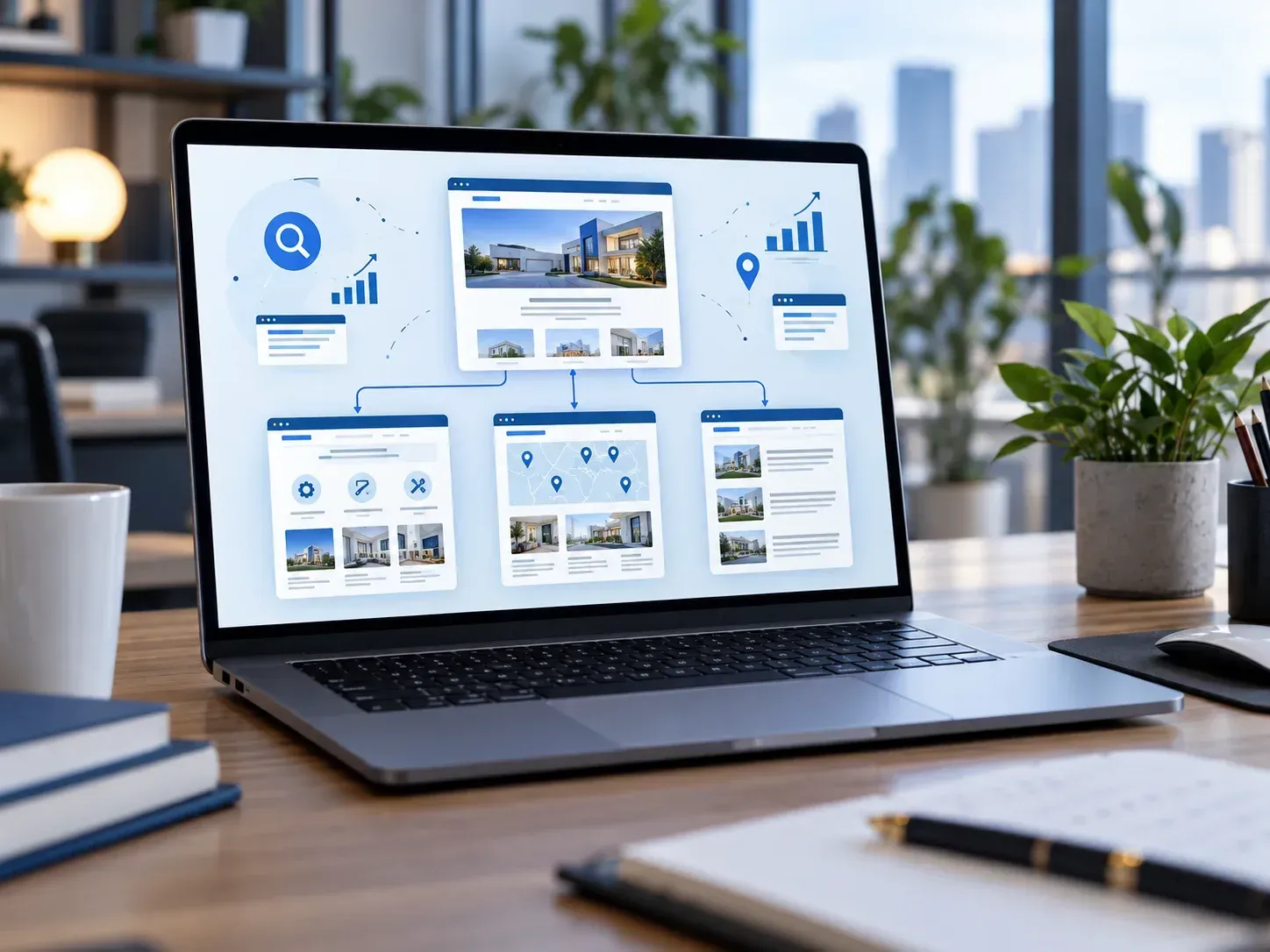
You can also connect related pages with internal links.
For example, someone reading a blog post about signs of water damage could be directed to your water damage restoration service page. From there, they could request an inspection or call the company.
That creates a logical path:
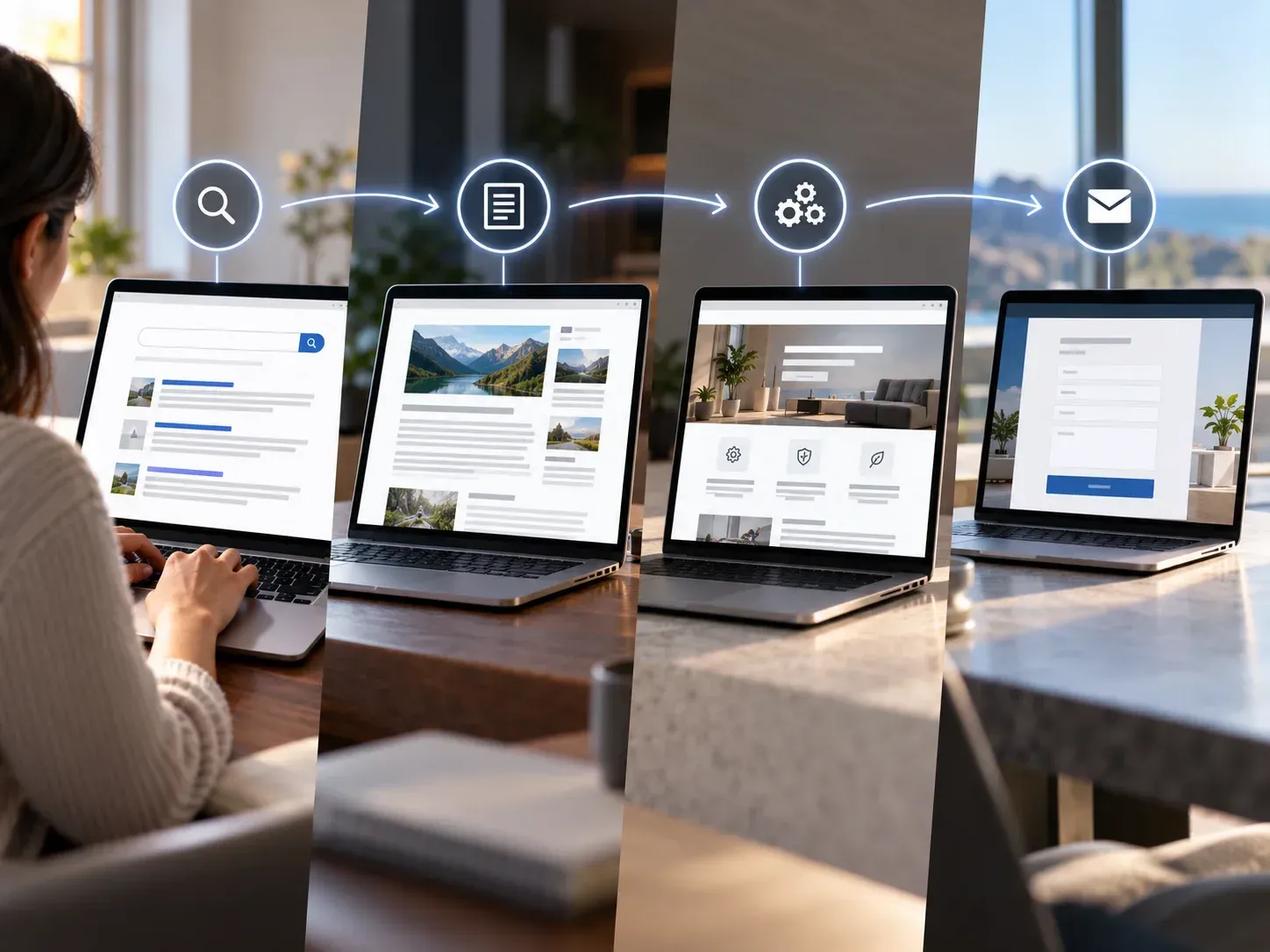
Google Search → Helpful Content → Service Page → Contact
This structure helps visitors move through the website instead of reaching a dead end.
5. Build the Pages That Can Actually Grow Your Business
Before publishing another random blog post, take a closer look at what your website is missing.
Search for your most valuable services on Google.
Look at the businesses ranking near the top. Study the pages Google is showing for those searches.
Then compare those sites with yours.
Ask yourself:
Do they have dedicated service pages I don't have?
Are they answering customer questions that my website ignores?
Do they have useful pages for cities I want to target?
Is their website organized more clearly around what customers search for?
These questions can reveal opportunities hiding in plain sight.
The goal is not to copy competitors. The goal is to understand what Google and potential customers expect, then create something more useful.
Frequently Asked Questions About Local SEO Content Gaps
What is a local SEO content gap?
A local SEO content gap is a useful topic, service, location, or customer question that your website does not adequately cover but competitors or search results do.
Should every service have its own page?
Not always. However, important services with their own search demand and customer needs can often benefit from dedicated pages.
Should I create a page for every city near my business?
Only when those pages provide useful and unique information. Creating dozens of nearly identical city pages can lead to weak content and a poor visitor experience.
Can blog posts fill SEO content gaps?
Yes. Blog posts are useful for questions, problems, comparisons, and educational searches. High-intent services are usually better supported by dedicated service pages.
How do I know which content gap to work on first?
Start with topics closely connected to revenue. A missing page for a major service can often be more valuable than a blog topic with lots of searches but little buying intent.
Stop Giving Your Competitors Easy SEO Opportunities
Your website does not need hundreds of pages to compete in local search.
It needs the right pages.
A smart content strategy focuses on the services customers want, the areas your business serves, the questions people ask, and the searches most likely to turn into real leads.
At Impact Layton SEO, we help local businesses uncover missed SEO opportunities and build websites around how customers actually search. That can include keyword research, competitor analysis, local SEO, website structure, content strategy, and conversion improvements.
Your competitors may already be ranking for searches your website is missing.
Let’s find those gaps and turn them into opportunities. Request your free website and SEO audit from Impact Layton SEO today.
Check out our ways of managing Google Business Profiles, Websites, and help with Google Ads
Ready to work with My Agency Site?
Let's connect! We’re here to help.
Send us a message and we’ll be in touch.
Or give us a call today at 111-222-3333
Agency Contact Form
More Marketing Tips, Tricks & Tools