Why Is Your Business Ranking Below Competitors? 7 Local SEO Issues to Check
You work hard to run your business. You provide great services, take care of your customers, and have a website. But when someone searches Google for what you offer, your competitors show up first.
Why does this happen?
The answer often comes down to local SEO, or search engine optimization. Local SEO helps businesses appear in Google Search and Google Maps when nearby customers look for products or services.
If your business is ranking below competitors, it does not always mean they provide better services. They may simply have a stronger online presence.
The good news is that many ranking problems can be found and improved. Let's look at seven common local SEO issues that could be holding your business back.
1. Your Google Business Profile Needs Improvement
Your Google Business Profile is one of the most important tools for local search visibility.
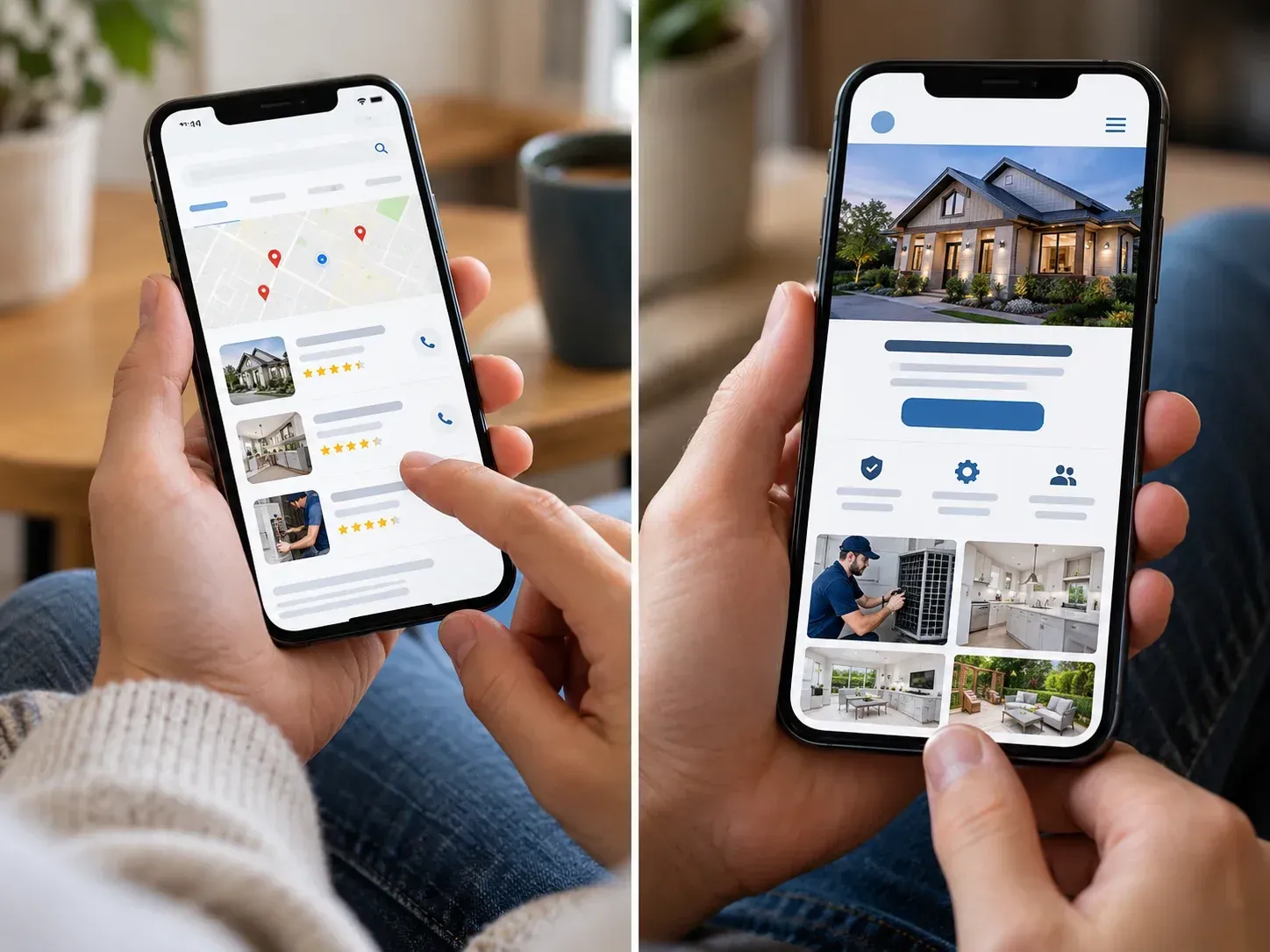
When someone searches for a plumber, roofer, dentist, or another local service, Google may display a map with nearby businesses. This is often called the Local 3-Pack.
If your profile is incomplete or inaccurate, you could be missing opportunities to reach customers.
For example, a roofing company in Layton, Utah, may struggle to attract local searches if its profile does not clearly explain its roofing services.
Start by checking these important details:
- Make sure your business name, phone number, and address are correct.
- Choose the most accurate primary business category.
- Add relevant services and helpful business information.
- Upload real photos of your business and completed work.
- Keep your business hours updated.
- Respond professionally to customer reviews.
Google uses factors such as relevance, distance, and prominence to determine local rankings.
A complete profile can help customers understand your business, but it does not guarantee a top position.

2. Your Website Is Not Targeting the Right Local Keywords
Keywords are the words people type into Google when searching for something.
For example, someone looking for a website designer might search for "web design Layton Utah" or "website designer near me."
If your website does not clearly describe your services and service areas, Google may have trouble matching your pages with those searches.
This is where local keyword research becomes important.
Instead of using broad phrases like "professional services," use natural wording that explains what you do and where you work.
A landscaping company in Ogden could describe its lawn care, sprinkler repair, and landscaping services in Ogden and surrounding areas.
However, adding the same keyword repeatedly will not make your website rank higher.
Your content should be helpful, easy to read, and written for real people.
The goal is to match your website content with what potential customers are actually searching for.
3. Your Competitors Have Stronger Online Authority
Google looks at more than the words on your website.
It also considers signals that help show whether your business is established, relevant, and trusted.
One important signal is backlinks. These are links from other websites that point to your business website.
For example, a local contractor might earn a link from a community organization, business association, or industry website.
Quality matters more than collecting large numbers of random links.
Your competitors may have earned more relevant links over time, helping strengthen their online presence.
You can build a stronger reputation by:
- Joining legitimate local business organizations.
- Building relationships with nearby companies.
- Supporting community events.
- Sharing helpful resources people want to reference.
- Earning mentions from relevant industry websites.
Avoid buying large amounts of low-quality backlinks. These tactics can hurt your SEO efforts rather than help them.
Building authority takes time, but it can support long-term search visibility.
4. Your Website Has Technical Problems
A website can look beautiful and still have problems that affect its performance.
Slow pages, broken links, poor mobile design, and crawling issues can make it harder for customers and search engines to use your website.
Imagine someone searching for emergency plumbing services on their phone.
They click your website, but the page takes too long to load. The text is difficult to read, and the contact button does not work.
That person may leave and call another plumber.
Technical SEO helps make your website easier to access and understand.
Important areas to review include website speed, mobile usability, secure HTTPS connections, working links, and proper indexing.
Google Search Console can also help identify pages that are not being indexed.
A well-developed website supports your SEO strategy while giving visitors a better experience.
At Impact Layton SEO, web development and search engine optimization work together to help businesses build websites that attract visitors and encourage them to take action.
5. Your Competitors Have Better Local Reviews
Customer reviews can influence both your online reputation and your local search visibility.
When potential customers compare two businesses, they often look at ratings, recent feedback, and how owners respond to reviews.
Google also considers review-related signals as part of local prominence.
A business with a steady history of genuine customer feedback may have an advantage over one with little public feedback, although reviews alone do not determine rankings.
Encourage customers to share their experiences after completing a service.
Make the process easy by providing a direct Google review link. Thank customers who leave positive feedback, and respond respectfully when someone reports a problem.
Never purchase fake reviews or offer rewards in exchange for positive ratings.
Authentic customer experiences help build trust and give future customers more confidence in choosing your business.
6. Your Business Information Is Inconsistent Online
Your business information may appear on several websites, including online directories, social media platforms, and local business listings.
If those websites show different phone numbers, outdated addresses, or incorrect business names, customers may have trouble contacting you.
For example, imagine a customer finds your business on Google but discovers a different phone number on another website.
Which number should they call?
This confusion can lead to missed opportunities.
Review your important online listings and make sure your business name, address when applicable, and phone number are accurate.
Correct duplicate or outdated listings when possible.
Consistent information helps customers find the right details and supports a reliable local online presence.
7. You Are Not Tracking Your Local SEO Results
One of the biggest mistakes a business owner can make is investing in SEO without checking whether it is working.
Your website might be getting more visitors, but are those visitors contacting your business?
Rankings are useful, but they are only part of the picture.
Local SEO Metrics Worth Tracking
- Google Search impressions: How often your website appears in search results.
- Organic clicks: How many people visit your website from unpaid Google results.
- Keyword rankings: Where your website appears for important searches.
- Google Business Profile interactions: Calls, website clicks, and direction requests reported by your profile.
- Website conversions: Form submissions, calls, and appointment requests.
- Qualified leads: Potential customers who are interested in your services.
- Booked jobs: The number of inquiries that turn into paying customers.
These numbers help you understand what is working and where improvements are needed.
For example, if your website receives plenty of visitors but very few calls, the problem may involve your website's message or contact process rather than its rankings.
Tracking results allows you to make smarter marketing decisions.
Stop Letting Competitors Take Your Potential Customers
Ranking below competitors can be frustrating, especially when you know your business provides excellent service.
But improving your Google rankings is not about finding a quick trick.
It requires a clear strategy that brings together local SEO, website development, Google Business Profile optimization, and ongoing performance tracking.
At Impact Layton SEO, we help businesses in Layton, Utah, and surrounding communities improve their online visibility and turn more searches into real business opportunities.
Whether your website needs technical improvements, your Google Business Profile needs attention, or your competitors keep outranking you, we can help you identify where to focus.
Ready to find out why your competitors are ranking above you?
Contact Impact Layton SEO today to discuss your website, local SEO strategy, and opportunities to attract more customers.
Check out our ways of managing Google Business Profiles, Websites, and help with Google Ads
Ready to work with My Agency Site?
Let's connect! We’re here to help.
Send us a message and we’ll be in touch.
Or give us a call today at 111-222-3333
Agency Contact Form
More Marketing Tips, Tricks & Tools